Anthony Van Dyck did not merely paint faces; he manufactured authority. In the decades before the English Civil War, when monarchy depended as much on symbolism as on law, portraiture became a kind of political technology—capable of shaping how a ruler was seen, remembered, and obeyed. Van Dyck (1599–1641), born in Antwerp and trained in the visual rhetoric of the Flemish Baroque, arrived in England at a moment when King Charles I urgently needed images that could stabilize his prestige at home and project legitimacy abroad. What looks, at first glance, like “effortless” aristocratic elegance was, in practice, a carefully engineered language of rank: pose, fabric, gesture, and distance calibrated to make power appear natural rather than imposed (National Gallery, London; Royal Collection Trust).
Anthony Van Dyck and the Making of Court Image
The Untold Story of Anthony Van Dyck: How a Court Painter Turned Portraiture Into Power
But Van Dyck‘s real originality was not his skill (of which there was copious) but his genius for turning the political order of court life into an argument convincing through sight. When he became Principal Painter in Ordinary to Charles I in 1632, he joined a court that recognized images to be expressions of state power in a world of rare broadcast (Royal Collection Trust; British Museum Archive). The king‘s face in paint moved in place of his body where necessary and commanded implicit assent from the observer: that majesty be made commonplace.
Can You Name the Masterpiece?
Ten masterpieces. Ten questions. How well do you know the history of art?
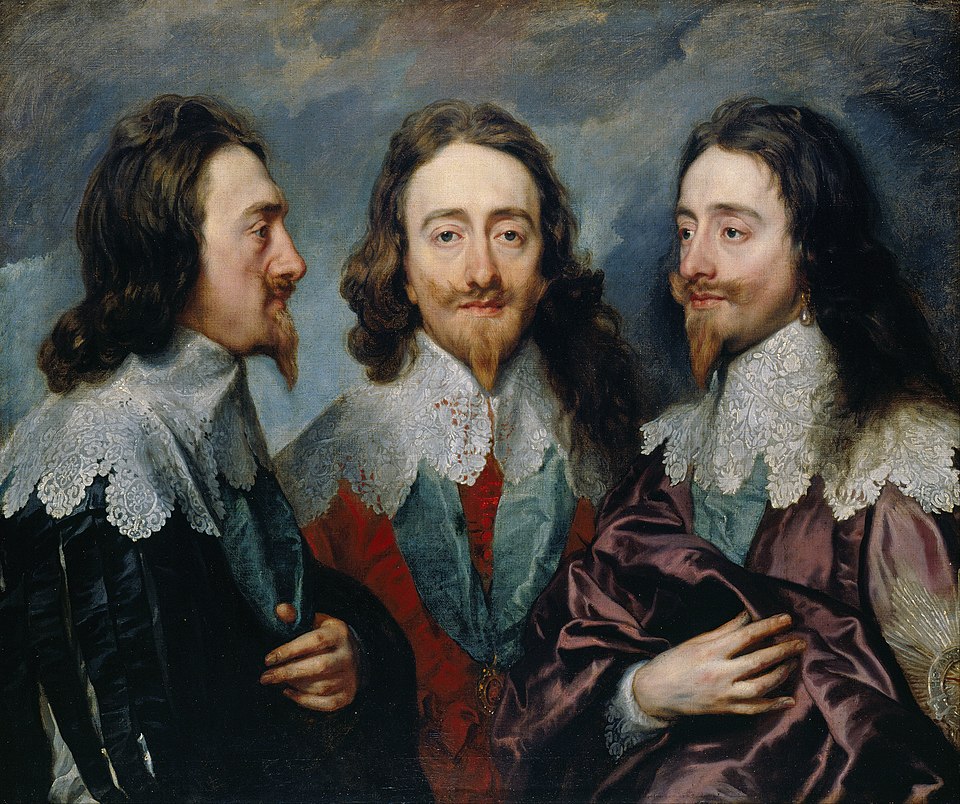
Confirmed truth: Van Dyck made more paintings of Charles I, Henrietta Maria, their children and courtiers, most of them repeated via studio practice and copies. Point of view: these pictures worked because they naturalised power, made the king‘s absolute reign seem tasteful and innate not forceful but effortlessly regal. Van Dyck, through his portraits, achieved what pronouncements couldn‘t do: made hierarchy seem harmonious.
But what remained “unsaid” is how portraiture became a form of currency. The sitter at court did not merely invest in an image of himself. He bought himself in line with the fashionable court. Van Dyck‘s paintings represent access; to be painted by him was to be drafted into a visual hierarchy with the king at the center. As art historians like Sir Oliver Millar, have articulated, there was a court hunger for these works as a part of a culture of display and loyalty (Millar, 1972).
What History Reveals About Anthony Van Dyck: The Subtle Tricks Behind His “Effortless” Elegance
For all its seeming spontaneity, van Dyck‘s charm rests on a grammar of repeated tools: elongating the sitter‘s body, angling the sight line upward toward the eye level of the beholder, opening the hand (never closed in a fist, the fingers un clenched and slightly spread) to express authority. Not only costumes, but draped satin and velvet also act as lighting: they catch the light, highlighting the face and social position of the subject. You can learn this for yourself by examining some key works in London‘s National Gallery and the Paris-based Louvre. You‘ll see the brush work and composition used to achieve these effects quite closely. (National Gallery, London; Louvre collections)
Can You Guess the Artist?
Three clues. One artist. How quickly can you identify the painter?
A second “trick” is measured space. Van Dyck generally places his subjects a comfortable yet un-insistent distance away, creating a feeling of presence without the sitter becoming accessible. He tends to work in a limited range of colors so that lace and skin tones become centers of emotional significance. Those famous “Van Dyck lace” and loose ringlets are more than fashion observations. They frame the head as a place of sophisticated command.
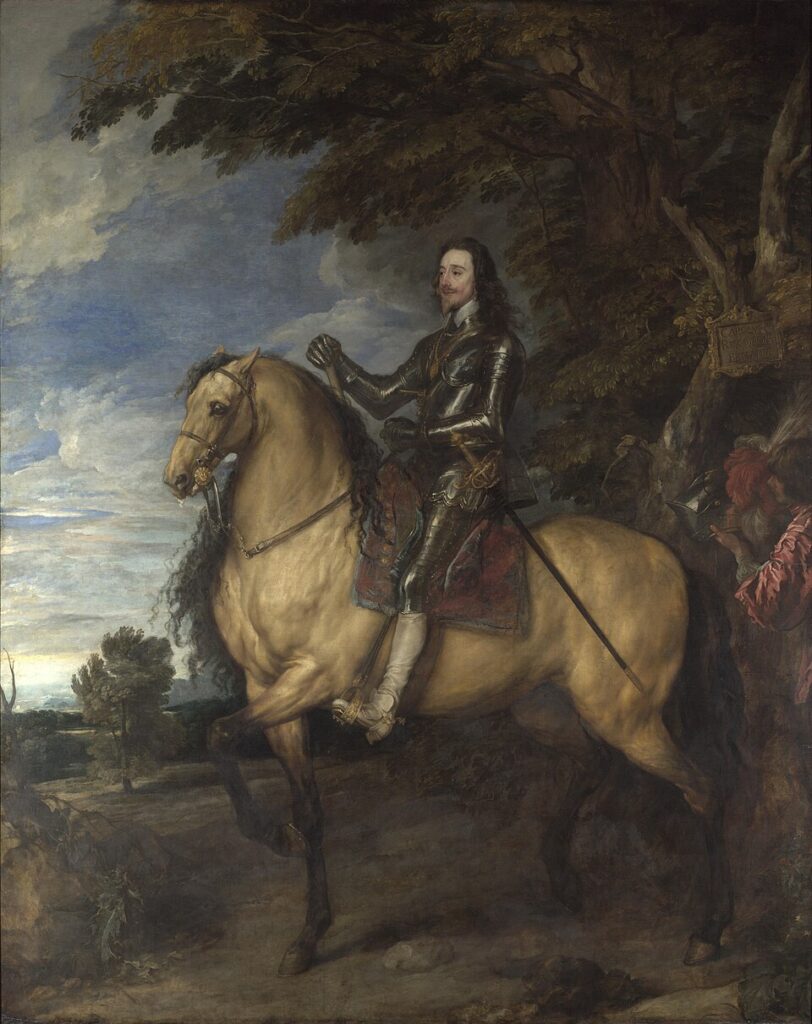
Historically, the interesting aspect of these tactics is how they resolved a problem of monarchy: to appear royal without appearing tyrannical. Van Dyck’s work seems to propose that rightness automatically confers the appearance of ease. Some art historians interpret this as absolute monarchy in paint form, an aesthetic counterpart to Charles I‘s insistence on prerogative (Sharpe 1992). Whether that equation holds up or not, the portraits definitely fit the self-conception of the court.
The Rise and Fall of Anthony Van Dyck’s Court Stardom: Fame, Favor, and the Price of Royal Patronage
Van Dyck rose quickly in England because Charles I prized art as a marker of dynastic legitimacy; the king collected with connoisseurship unusual among monarchs of the period. Van Dyck was knighted in 1632 and granted a pension, securing social elevation as well as income (Royal Collection Trust). This was fame with teeth: court favor could transform a painter into a gentleman, but it also tethered him to political fortunes he could not control.
The price of patronage was dependence on a single, increasingly embattled regime. Established fact: by the late 1630s, England’s political climate was deteriorating, with conflicts over taxation, religion, and royal authority intensifying. Interpretation: Van Dyck’s court imagery, intended to solidify grandeur, may have hardened perceptions of aloofness—an unintended effect when resentment against perceived elitism was rising. Historians still debate the degree to which royal image-making helped or harmed Charles’s standing (Russell, 1990).
Van Dyck’s “fall” was not a dramatic disgrace but an historical truncation. He died in 1641, just before the outbreak of full civil war. Yet his court stardom, bound to a doomed political narrative, became retroactively charged: his portraits turned into artifacts of a vanished world, their elegance shadowed by what followed. That afterlife—how later viewers read these paintings through the lens of revolution—became part of their power.
The Untold Story of Anthony Van Dyck in England: How He Rebranded Charles I’s Image—and His Own
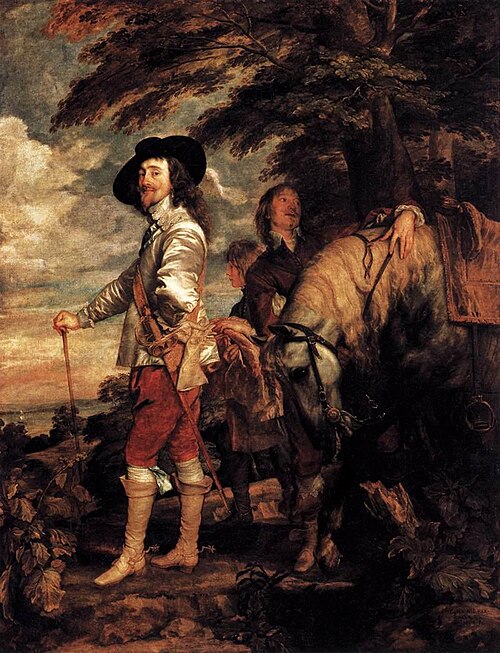
Van Dyck, settling in for good in 1632, discovered a king who required not just portraits, but reimagining. Charles I was a man of small stature and dwindling authority in Parliament and pulpit. Van Dyck set to translate physical delicacy into political authority: a slight stature became elegance; diffidence became moral virtue; taste became authority. A classic Charles I at the Hunt (Louvre) is not a snapshot, but a pronouncement of aristocratic dominion; boots, posture, and horizon line discreetly underscore domination (Louvre; Millar, 1972).
Meanwhile, Van Dyck was re-making himself. Known fact: he modeled himself on a courtier and made himself into a gentleman-artist, not an artisan. He amassed a collection, dressed himself, mingled with aristocracy. Interpretation: this self-branding enabled him not only to attract commissions but to acquire a social space a bridge between European cultural authority and English desires.
In a major historical sense, it‘s important because this rebranding changed the sense of what an artist in England could be. The Van Dyck model artist as the polished arbiter of taste remained with us. His successors absorbed his compositional vernacular, and his social status, to the point that portraiture became the most obvious form of British “public art” at least through the eighteenth century.
What History Reveals About Anthony Van Dyck’s Portraits: Why They Look Like Politics, Not Just People
Van Dyck’s portraits look political because they are structured like arguments. They argue for continuity (dynasty), hierarchy (rank), and harmony (order). When he paints the royal children, the effect is not merely tender: it is dynastic reassurance, the future embodied in silk and calm expressions. Such images mattered in a period when succession anxieties and religious fears could destabilize rule.
Primary sources—letters, payment records, and inventories—confirm that these portraits circulated among courtiers and allies, reinforcing networks of obligation (British Museum Archive; Royal Collection documentation). Interpretation: their political force lies less in overt symbols than in the emotional temperature they maintain: composed, controlled, and above controversy. That tone is itself ideological, projecting a world in which authority is serene and therefore incontestable.
Historians continue to debate how audiences read these paintings at the time. Some emphasize courtly literacy in symbolic codes; others stress the immediate, bodily impact of scale and presence. Either way, the portraits were not neutral. They functioned as what we might call “soft power”—art that persuades by making a social order feel aesthetically inevitable (Sharpe, 1992).
The Untold Story of Anthony Van Dyck’s “Van Dyck Look”: Who Invented It, Who Copied It, and Why It Stuck
The “Van Dyck look”—aristocratic languor, luminous skin, elegant hands, and a measured swagger—did not arise in isolation. It drew from Venetian color, Flemish vitality, and Rubens’s grand manner, yet Van Dyck refined these influences into a cooler, more exclusive idiom. Established fact: his Italian travels (1621–1627) exposed him to Titian and other masters whose portraiture balanced grandeur with intimacy (National Gallery research; major museum catalogues).
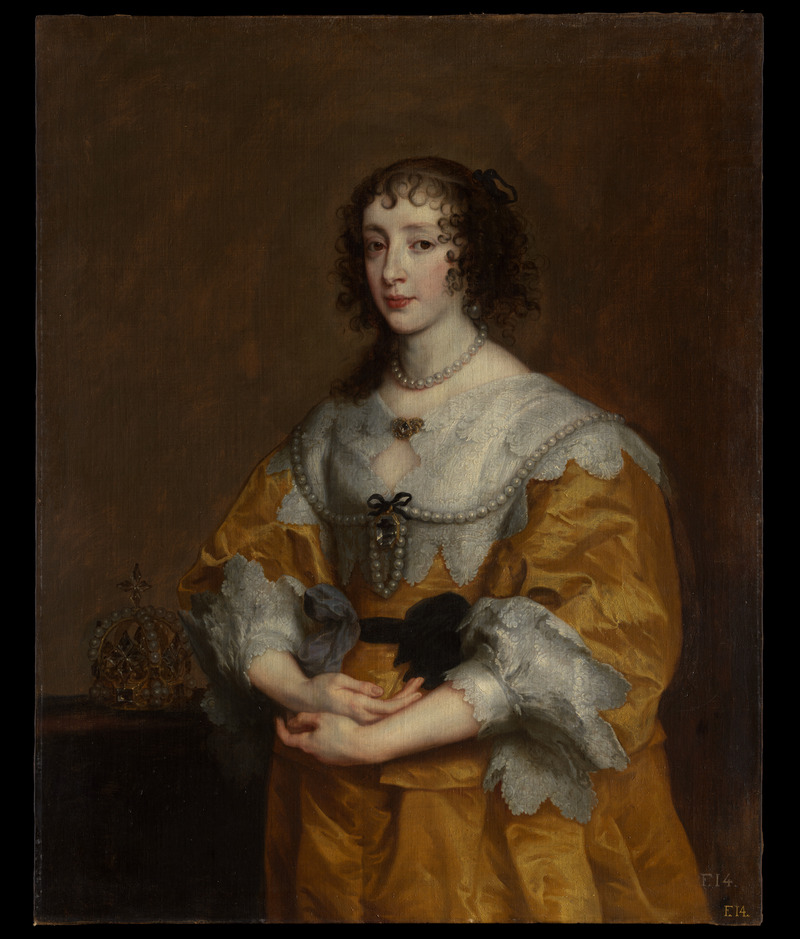
Who “invented” it, then? Interpretation: Van Dyck did, insofar as he standardized a visual grammar that English patrons found irresistible. But he also depended on a receptive court hungry for an international style that could rival France and Spain. Once established, the look became replicable: through workshop patterns, assistants, and later imitation by artists seeking social credibility.
Why did it stick? Because it solved a persistent elite problem: how to appear both superior and likable, distant yet human. Van Dyck offered a template for noble self-presentation that survived regime change. Even when the monarchy fell, the aristocratic desire to look “naturally” distinguished remained, and Van Dyck’s formula provided the visual proof.
The Rise and Fall of Anthony Van Dyck’s Rivals: How He Outpaced London’s Painters Without Starting a War
Van Dyck entered a London art world with capable painters—native and immigrant—who worked in portraiture and decoration. Yet he outpaced them not by public feud but by occupying a different category: he brought continental prestige and a court appointment that effectively set him above competition. Established fact: his position as Principal Painter in Ordinary gave him privileged access to royal sitters and the court’s cultural agenda (Royal Collection Trust).
His rivals “fell” largely because the rules of taste changed. Interpretation: Van Dyck made previous styles look provincial, not by attacking them but by redefining what sophistication meant. Once the king and queen embraced his manner, courtiers followed; portraiture became a sign of alignment with royal culture. In a court environment, that is often more decisive than price or speed.
Yet this dominance had limits. Van Dyck’s supremacy depended on the stability of court life; the political crisis of the early 1640s disrupted patronage systems that sustained luxury portraiture. After his death, the Civil War period shifted artistic demand toward other forms and other messages. His rivals did not necessarily become greater; the market itself fractured, reminding us how aesthetics can be hostage to politics.
From Antwerp Beginnings to Rubens’s Powerful Orbit
What History Reveals About Anthony Van Dyck and Rubens: The Mentor Relationship That Shaped a New Style of Power
Van Dyck’s early Antwerp career unfolded in the shadow of Peter Paul Rubens, the great engine of Flemish Baroque art and diplomacy. Established fact: Van Dyck worked in Rubens’s workshop and absorbed its methods—monumental composition, confident brushwork, and an understanding of art as public performance (museum catalogues and academic studies consistently affirm this relationship; see also British Museum material on Flemish print culture).
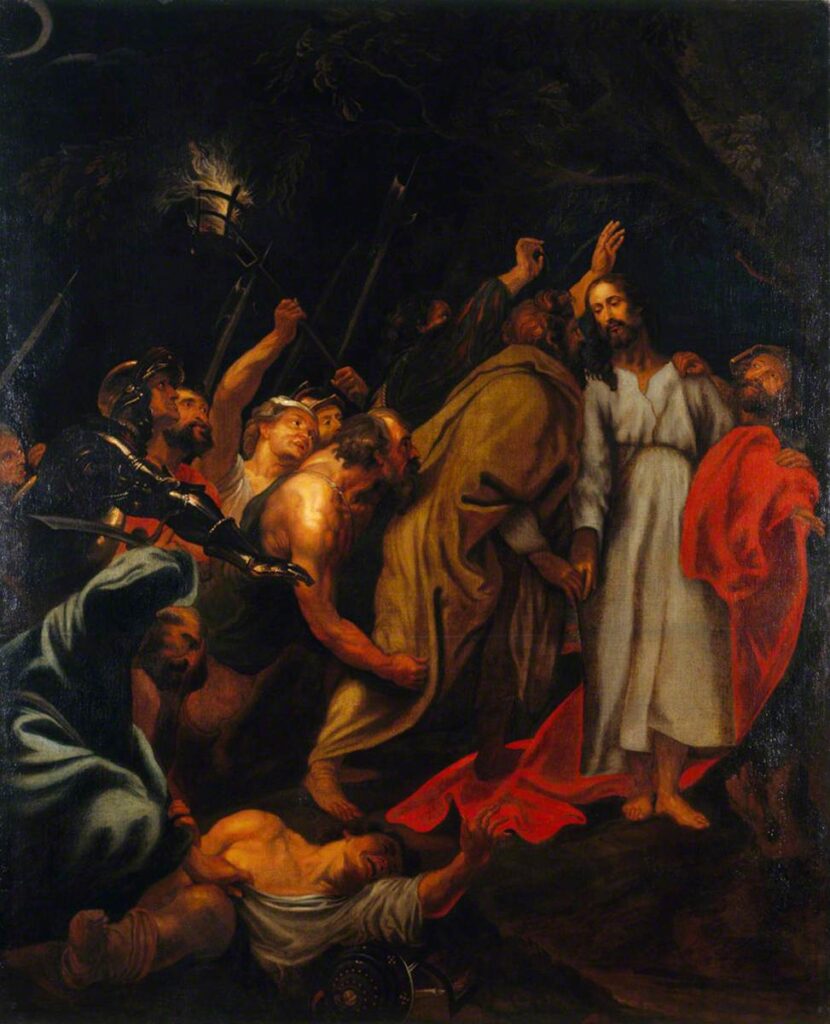
But the relationship was not simple imitation. Interpretation: Van Dyck took Rubens’s expansiveness and converted it into intimacy. Where Rubens often built power through abundance—mythology, allegory, muscular dynamism—Van Dyck built it through refinement and restraint. That difference mattered in England, where Charles I’s preferred image was not triumphant conquest but cultivated kingship.
Historians debate whether Van Dyck’s “cooler” manner was a deliberate correction of Rubens or a response to different patrons and personalities. Either way, the mentorship created an artistic language suitable for princely courts across Europe. In Van Dyck’s hands, Baroque spectacle became courtly persuasion, and portraiture became a form of governance by appearance (Millar, 1972).
The Untold Story of Anthony Van Dyck’s Self-Fashioning: How He Painted Himself Into the Nobility
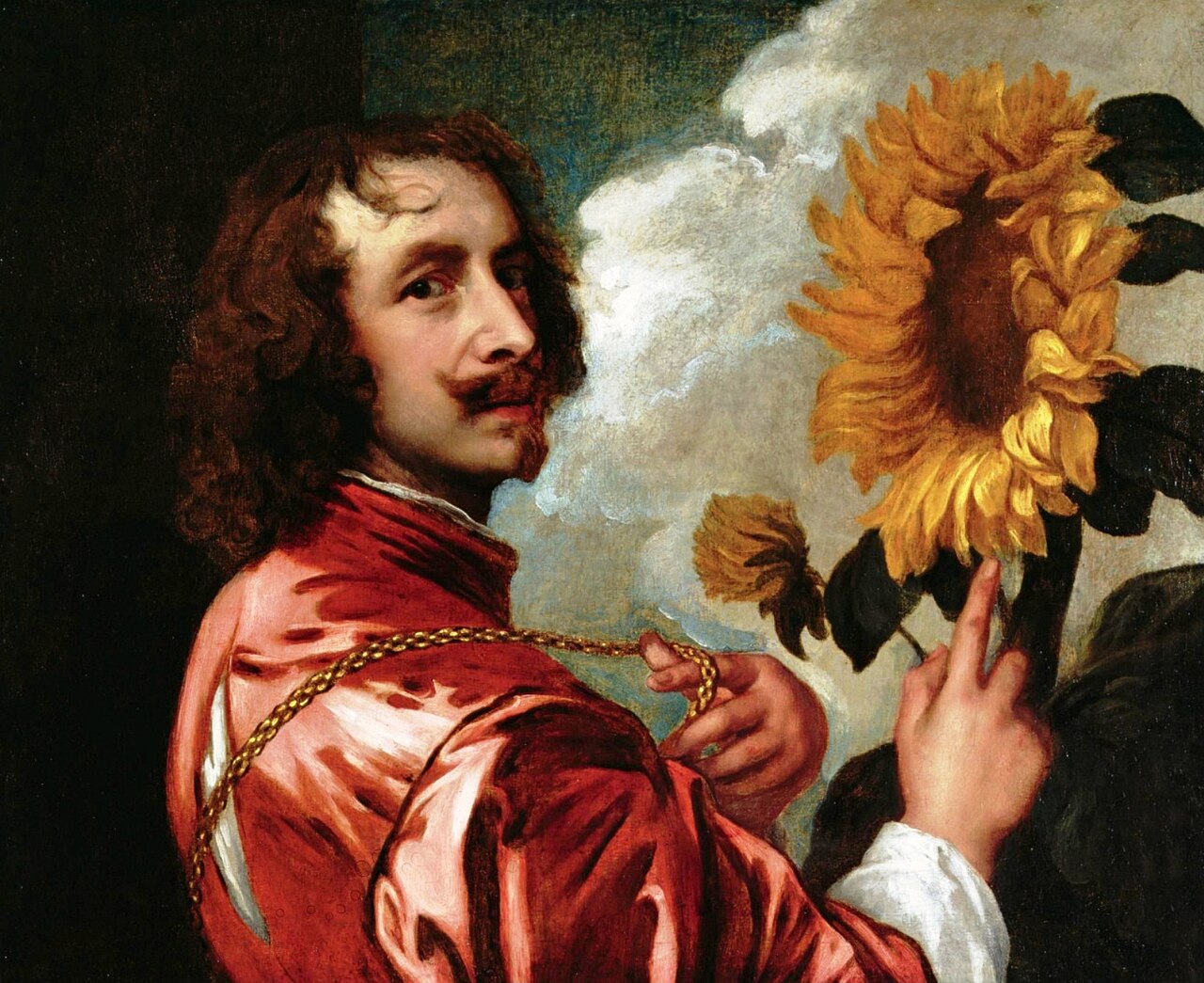
Van Dyck’s self-portraits and self-presentation function like a parallel biography—one written in silk, posture, and controlled self-regard. Established fact: he produced self-portraits at different stages, now dispersed in major collections, that show him not as a laboring artisan but as a composed, stylish figure. Interpretation: this was strategic, a visual claim to gentility in a social world that often ranked painters as skilled workers rather than peers of nobles.
His famous Iconography project—portrait prints of notable contemporaries—also contributed to his status. By curating a gallery of the eminent, he positioned himself among them, both observer and participant. The enterprise suggests an artist thinking like a court insider: creating networks of reputation through images that circulate beyond any single painting’s destination (British Museum print holdings and scholarship).
What makes this significant is that it anticipates modern ideas of artistic brand. Van Dyck crafted an identity that patrons could trust: if he looked like a gentleman, he could paint gentlemen. The self-fashioning was not vanity alone; it was market logic merged with social ambition, and it helped transform portraiture into a prestige economy.
What History Reveals About Anthony Van Dyck’s Success: Why Aristocrats Wanted to Look Like His Paintings
Aristocrats wanted to look like Van Dyck’s paintings because his portraits performed an alchemy: they turned wealth and lineage into something that seemed innate. Lace, satin, and columns can be purchased; the appearance of effortless command cannot. Van Dyck provided that effect by harmonizing costume with bearing—so that the sitter appears to inhabit privilege comfortably rather than to display it anxiously.
Established fact: demand for Van Dyck’s portraits among courtiers and elites was intense, and his studio produced multiple versions and related compositions. Interpretation: sitters sought not only representation but transformation—an idealized self that could circulate among peers as social proof. In an honor-based society, a portrait was a credential, and Van Dyck was the most credible issuer.
This helps explain his lasting influence on British portraiture. Later painters—from the Restoration onward—reused his compositional solutions because patrons continued to desire the same social effect: dignity without strain. The enduring lesson of Van Dyck’s success is that portraiture, at elite levels, is rarely about physical accuracy alone; it is about managing how a person’s authority will be read.
The Rise and Fall of Anthony Van Dyck’s Studio Machine: How Luxury Portraits Became a Repeatable Product
Van Dyck’s output required a system. Established fact: like other leading painters, he relied on assistants and a workshop to prepare canvases, block in drapery, and replicate compositions, while he reserved key passages—especially faces—for his own hand. This division of labor allowed him to meet court demand without diluting the aura of uniqueness (museum technical studies frequently note workshop participation; see National Gallery technical examinations).
Interpretation: the studio “machine” was not merely economic; it shaped style. Repeatable poses and drapery types helped standardize the Van Dyck look, making it recognizable and thus valuable. A recognizable style becomes a guarantee: patrons know what they will receive, and the painter becomes a luxury brand with consistent deliverables.
The “fall” of the studio system came from forces beyond art. Political crisis, reduced liquidity among patrons, and Van Dyck’s early death all constrained production. Moreover, the very repeatability that made the studio successful could provoke later criticism about authenticity—an issue that continues in attribution debates today, as institutions weigh workshop hands against the master’s touch (museum catalogues and conservation research).
The Untold Story of Anthony Van Dyck’s Final Years: What His Last Portraits Suggest About Reputation and Risk
The gamble of court portraiture became higher in Van Dyck‘s last years. Fact: He stayed in England, kept getting hired, stayed in his job, and the country grew more unstable. Conclusion: He courted scandal by painting the royal face amid this instability, his identity forever linked to the fraying kingdom.
The later portraits feel a bit more inward, and their fineness a touch more frayed. It is surely an exaggeration to say that Van Dyck “foretold” civil war in paint (we can‘t be certain that he did). But one can perhaps argue with historical justification that the portraits’ performance of calm looks different in retrospect. They become monuments to an uneasy political style.
In 1641, Van Dyck died and was buried in St Paul’s Cathedral, an indication of how successfully he had risen, and a note on the tragedy of his departure: he never saw the iconoclasm and disorder that would soon decimate the culture that had so valued him. The late portraits thus linger at the threshold of disaster, art as a tool of power, but ultimately at its mercy.
But what Van Dyck mastered was to make the portrait work in the service of statecraft. Having trained in Antwerp and received his initiation under Rubens, before imbibing the lessons of the Italian aristocracy in how to present themselves, he arrived in England prepared to find the visual means for an unstable politics, a politics for which credibility was paramount. His subjects wished not just to be seen, but to be accepted as the authority they claimed to be and that is precisely the language Van Dyck provided. In the event, this visual argument was the bedrock of Charles I’s claim, and became, to many people‘s eyes, inseparable from the fortunes of his regime. Van Dyck‘s style was never just style; it was an argument for what power should look like, and consequently how it should be acknowledged.
Key Facts Summary
| Category | Details |
|---|---|
| Date | 1599–1641 (Van Dyck’s lifetime); Principal Painter in Ordinary from 1632 |
| Location | Antwerp (birth/training), Italy (1621–1627 travels), England (major court career) |
| Key Figures | Anthony Van Dyck; Charles I; Henrietta Maria; Peter Paul Rubens |
| Historical Impact | Recast English court portraiture as political image-making; established a durable aristocratic portrait template in Britain |
| Interesting Detail | Buried at St Paul’s Cathedral, signaling exceptional status for an artist in Stuart England |
Historical Interpretations & Debates
| Historian / School | Interpretation |
|---|---|
| Sir Oliver Millar (court & collection scholarship) | Van Dyck’s portraits shaped the Stuart court’s self-image and functioned within a wider system of royal collecting and display (Millar, 1972). |
| Kevin Sharpe (political culture approach) | Court portraiture and ceremonial imagery were integral to the “personal rule” aesthetic of Charles I; portraits can be read as political rhetoric as much as likeness (Sharpe, 1992). |
| Revisionist vs. post-revisionist Civil War historiography (e.g., Conrad Russell) | Debate over whether Charles I’s style of rule—and its cultural presentation—exacerbated mistrust; portraits may have reinforced perceptions of distance (Russell, 1990). |
Sources & References
- National Gallery, London. Collection entries and technical/conservation research on Van Dyck portraits.
- Royal Collection Trust. Catalogues and essays on Van Dyck as Principal Painter in Ordinary to Charles I and the Stuart court image.
- British Museum Archive / British Museum Collection Online. Holdings and scholarship on Van Dyck’s print culture and the Iconography.
- Louvre Museum (Department of Paintings). Collection documentation for Charles I at the Hunt and related works.
- Millar, Oliver. Van Dyck in England (Tate/related scholarly publications; widely cited court-portrait scholarship), 1972.
- Sharpe, Kevin. The Personal Rule of Charles I (Yale University Press), 1992.
- Russell, Conrad. The Causes of the English Civil War (Oxford University Press), 1990.
AI Notice: Some visual content in this article may have been created or enhanced using artificial intelligence (AI) for artistic, editorial or illustrative purposes. Learn more about our approach in our AI & Editorial Principles.