Autobiography of Mozart? The Surprising Truth Behind the Story He Told
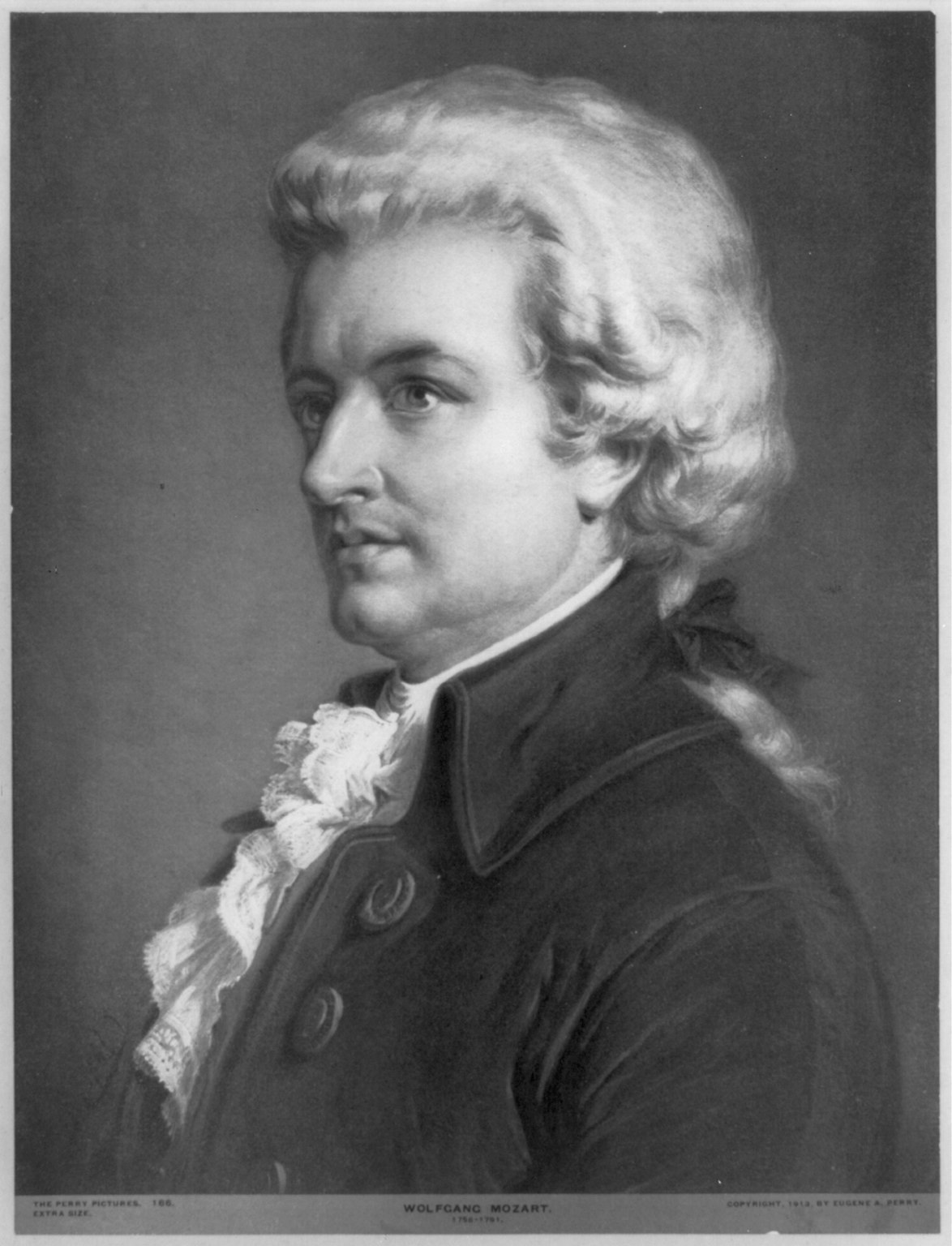
Mozart’s life reads like a modern myth: a child who astonished Europe’s courts, a young man who outworked his rivals in the busiest musical capitals, and a composer who died at 35 after changing Western music forever. Yet the “autobiography of Mozart” is not a book he ever wrote. What we do have—letters, official records, contemporaries’ accounts, and the material culture preserved in major museums—allows a historically grounded, vivid reconstruction of Mozart speaking in his own voice more than almost any other 18th‑century composer.
Did Mozart Write an Autobiography?
Wolfgang Amadeus Mozart (1756–1791) did not leave behind an autobiographical memoir. Nor do historians think he would have written one in the manner of a later artist. Mozart lived in the late Enlightenment period; self-expression was more typically made through correspondence with family members, friends, and employers, through requests and petitions sent to patrons, and through administrative records. This is, in effect, what we have left: his vast body of personal correspondence, particularly letters he wrote to his father Leopold Mozart and his sister Maria Anna (“Nannerl”), not to mention letters to fellow musicians and patrons, as well as the contracts and itineraries of his travels, and accounts of him written by others in Salzburg, Vienna, Munich, Paris, Prague and elsewhere.
Can You Name the Masterpiece?
Ten masterpieces. Ten questions. How well do you know the history of art?
Mozart‘s letters are exceptionally revealing. They shed light on his sense of self as a professional, his negotiations with the dynamics of patronage, and the way in which he began to construct an image of himself as an independent musicians of sorts in Vienna, the Habsburg capital under Joseph II. It‘s from a letter to this correspondent that we hear the oft-quoted phrase “I can not live without music”. And although specific phrasing of this line is mostly seen in popular collections, the feeling comes across clearly in his private correspondence.
Since letters can be personal, comic, or calculated, historians pore over them and scrutinize them against outer evidence. The Smithsonian, for example, writes about the importance of primary sources in “the creation of a historical self,” and Mozart scholars have pursued this approach, checking his accounts against concert programs, pay rosters, and eye-witness reports. What has emerged is a kind of “autobiography by documents,” grounded in facts rather than fantasy.
The Primary Sources: Letters, Documents, and Material Evidence
The backbone of Mozart’s “self-portrait” is his surviving correspondence, especially from the 1760s through 1791. These letters capture the rhythm of an 18th‑century musician’s life: auditions, travel hardships, illness, patronage disputes, and the constant need to secure performances and commissions. They also preserve Mozart’s own judgments of singers, orchestras, and audiences, particularly in the key musical centers of Mannheim, Paris, and Vienna.
Can You Guess the Artist?
Three clues. One artist. How quickly can you identify the painter?
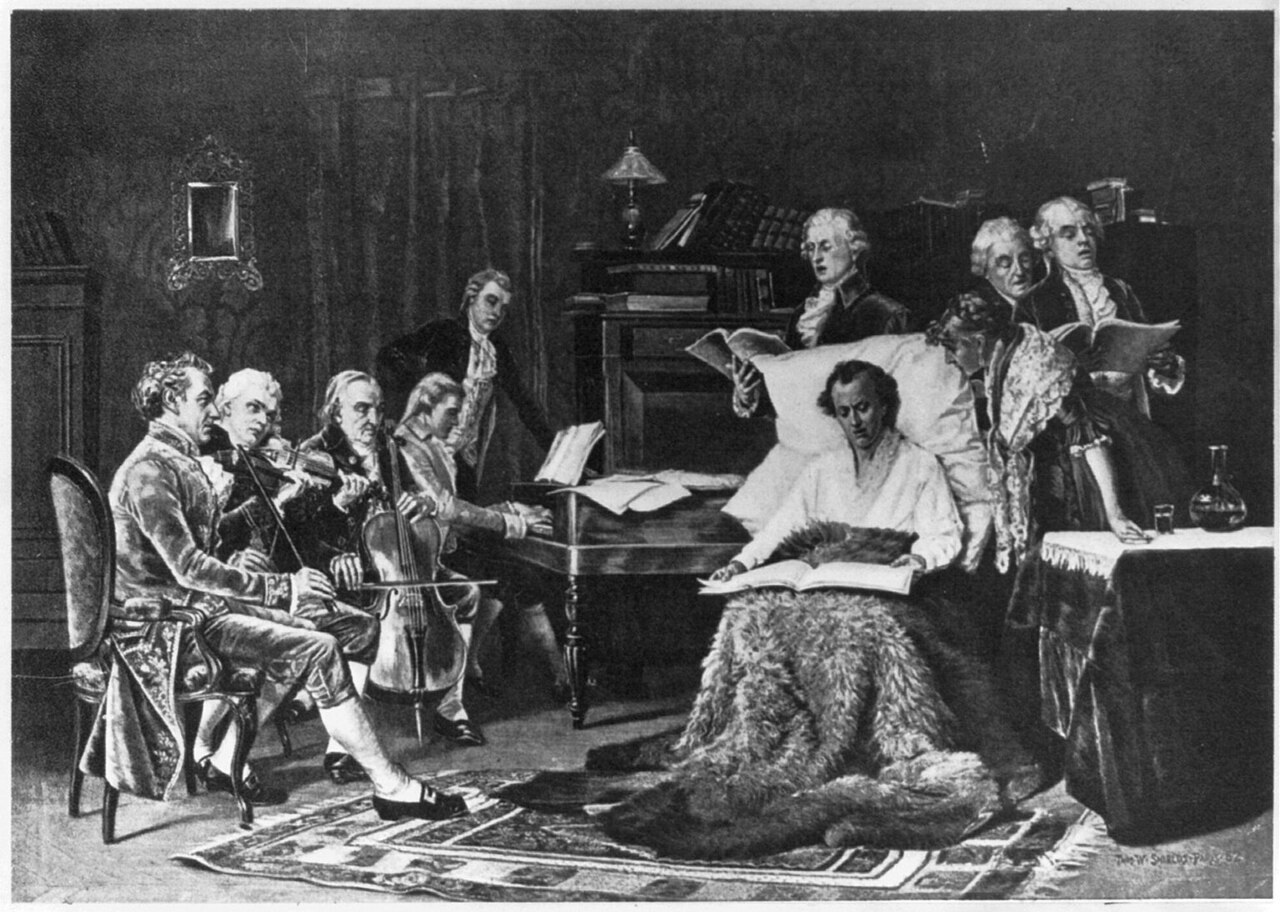
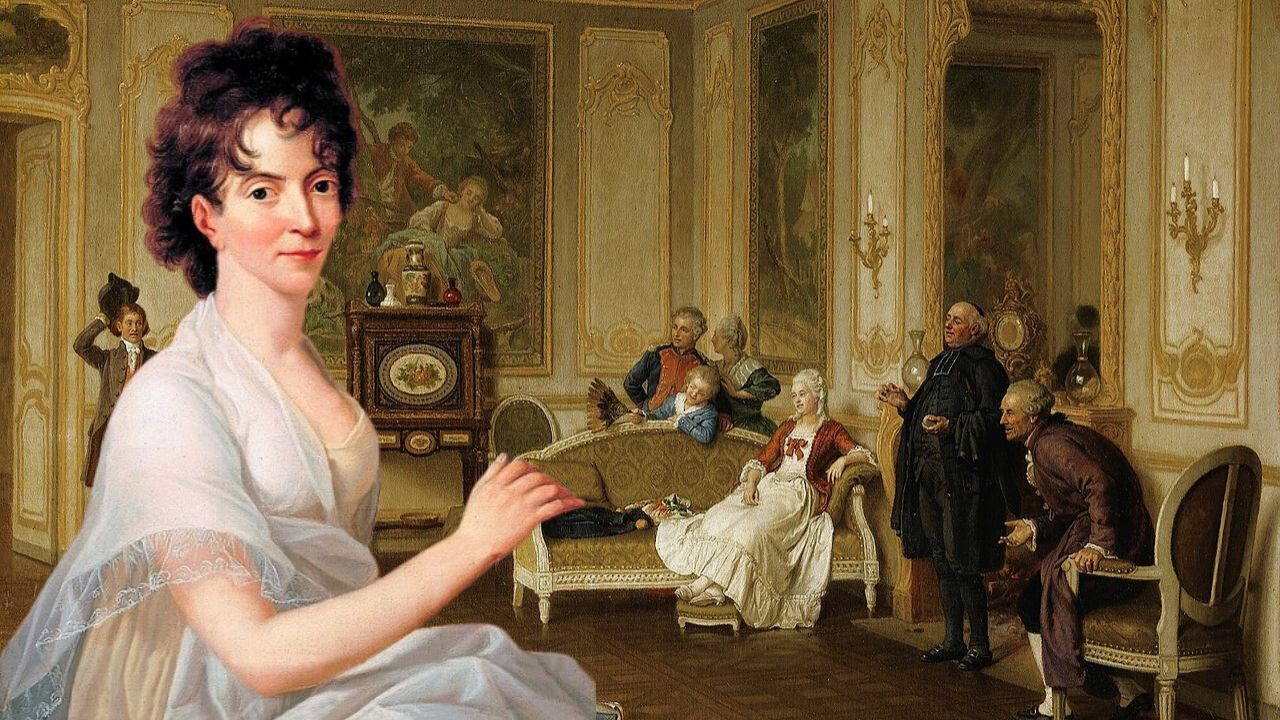
Material culture strengthens the documentary record. Portraits, instruments, and decorative arts from Mozart’s era help confirm the social world he inhabited—courtly performance spaces, salon music-making, and the visual language of elite patronage. Museums such as The Metropolitan Museum of Art and the Victoria and Albert Museum contextualize 18th‑century European artistic life through objects from the same decades and places Mozart moved through. That context matters: it explains how a composer’s reputation circulated through courts, theaters, and fashionable households long before recording technology.
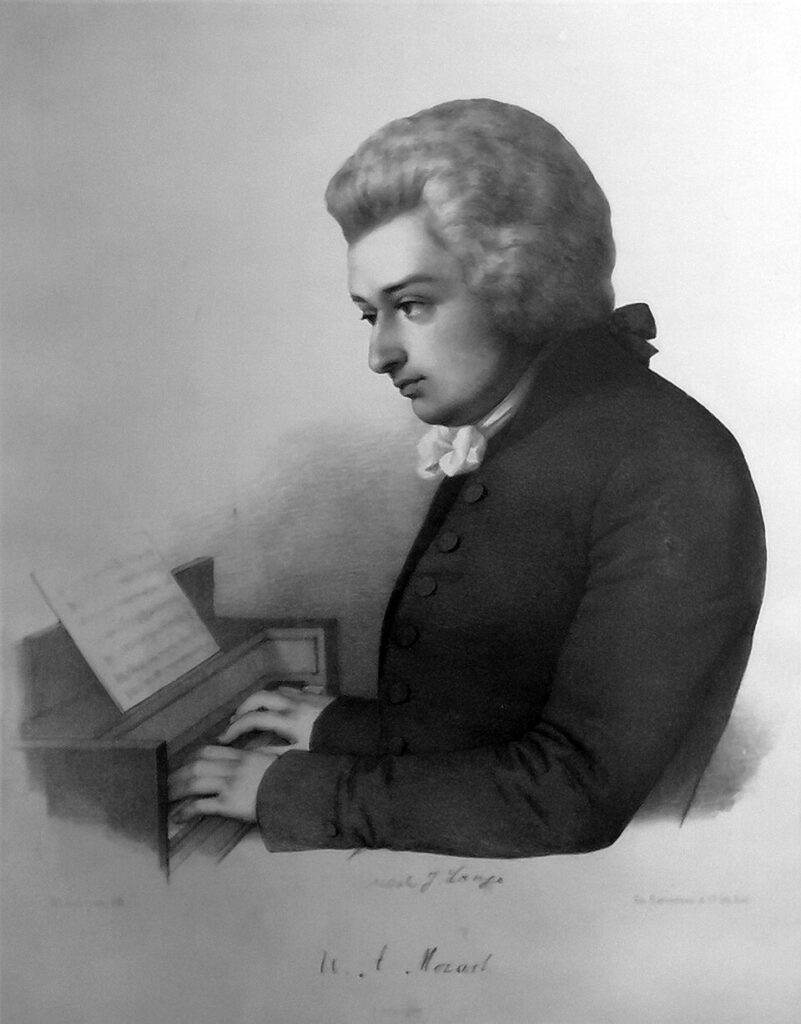
Equally important are institutional records: Salzburg court documents, Vienna theater administration, and imperial policies affecting musicians. Mozart’s break with the Salzburg court under Archbishop Colloredo makes better sense when seen against late-18th-century employment norms. He was rejecting a stable but subordinate position to become—still unusual at the time—a self-employed composer and performer. This shift is one of the most “autobiographical” facts of all: a life shaped by a conscious career decision, documented in letters and confirmed by payroll and appointment records.
Reading Mozart’s Life Through Historical Periods and Places
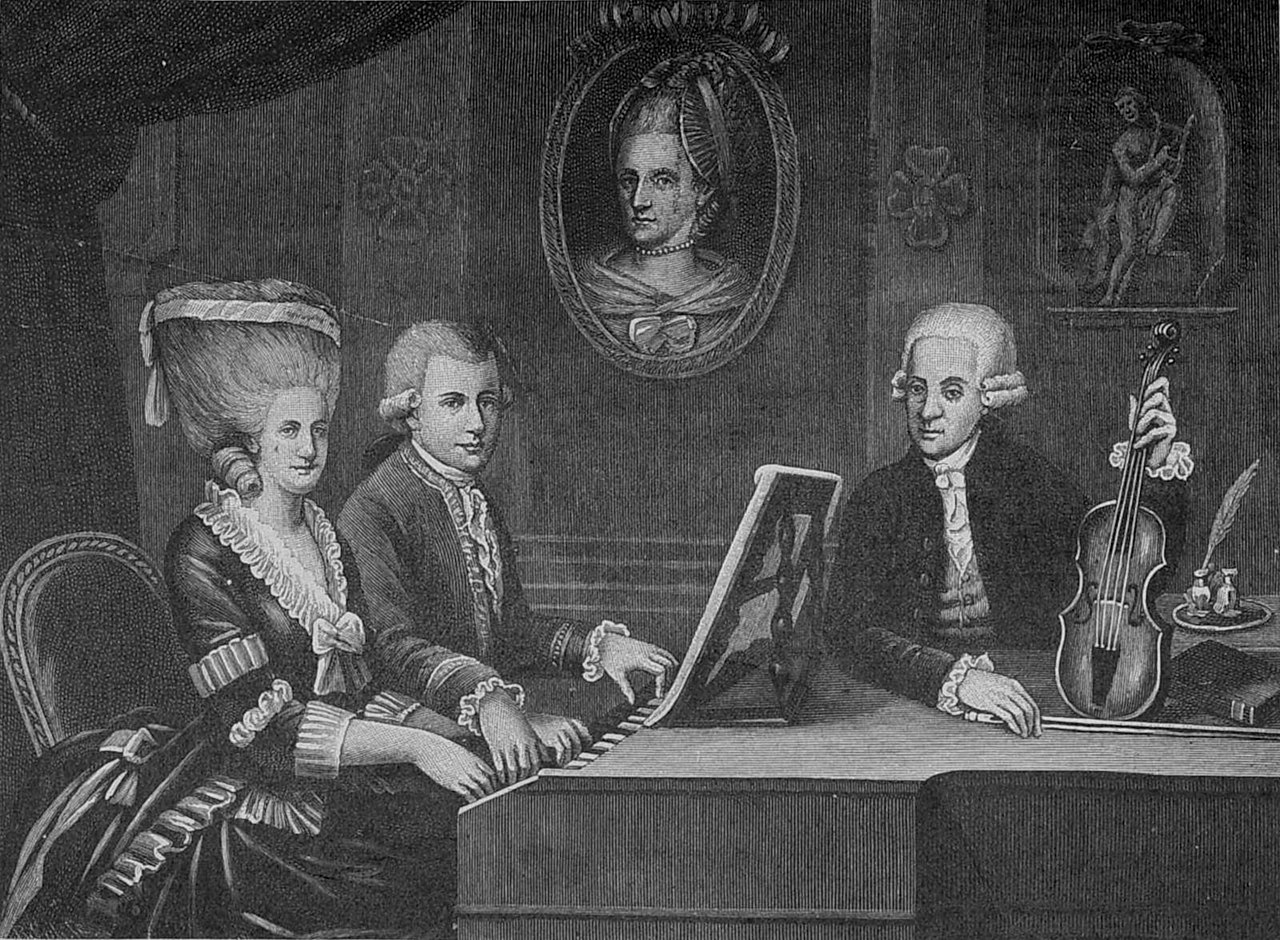
Mozart’s childhood and adolescence (1756–1777) belong to the world of princely courts and the Holy Roman Empire. Born in Salzburg, he was trained by Leopold Mozart, a respected violinist and author of a major violin treatise. The family’s long tours—Munich, Vienna, Paris, London, The Hague, and beyond—were not leisure travel but professional campaigns, designed to secure patrons and prestige. This is the period when Mozart becomes “Mozart”: a public prodigy shaped by Europe’s aristocratic networks.
His young adulthood (1777–1781) shows the harsher underside of that system. The search for a permanent post led him to Mannheim and Paris, cities with vibrant musical life but limited secure opportunities. Letters from these years describe practical realities: auditioning, negotiating fees, and the emotional toll of loss and uncertainty. Paris in particular reveals the competitive marketplace of the late Enlightenment—cosmopolitan, trend-driven, and unforgiving.
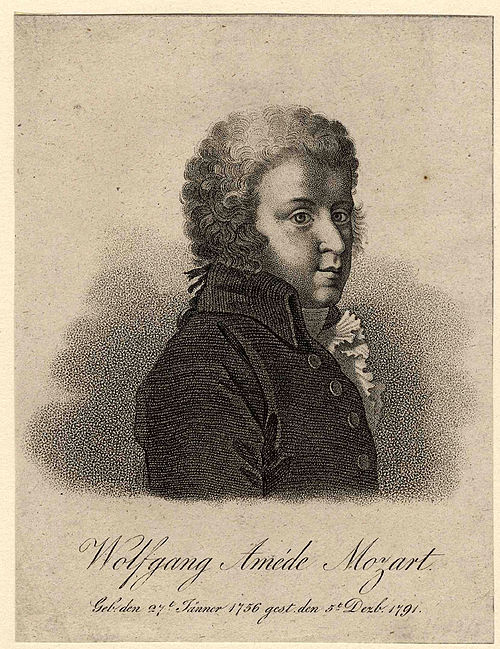
The Vienna years (1781–1791) are the core of Mozart’s documentary “autobiography.” In Vienna, capital of the Habsburg monarchy, he built a career through opera, piano concertos, teaching, and patronage—especially among the nobility and the growing educated middle class. Here Mozart collaborated with major institutions and venues, including the court theater world that supported German Singspiel and Italian opera. His operas—Le nozze di Figaro (1786), Don Giovanni (1787, premiered in Prague), and Die Zauberflöte (1791)—show an artist thinking publicly about power, class, and enlightenment ideals, even when writing to satisfy specific commissions.
Key Characteristics of Mozart’s “Autobiography by Documents”
| Aspect | What Survives | What It Reveals | Why It’s Reliable (or Not) |
|---|---|---|---|
| Personal letters | Hundreds of letters to family, friends, patrons | Personality, career strategy, artistic priorities | Strong primary evidence; must be cross-checked for bias and humor |
| Employment records | Court appointments, payroll, commissions | Professional status and income structure | High reliability as official documents |
| Contemporary accounts | Reviews, diaries, reports by colleagues | Public reception in Vienna, Prague, Paris | Useful but influenced by fashion and factionalism |
| Objects & portraits | Period portraits, instruments, domestic arts | Social world of performance and patronage | Contextual rather than biographical; supports historical setting |
| Later biographies | Early 19th‑century narratives | How Mozart was mythologized | Must be handled cautiously; often romanticized |
Authoritative Voices and What They Tell Us
One of the most commonly quoted scholarly overviews of his work can be found in The New Grove Dictionary of Music and Musicians. It calls Mozart “the most universal composer in the history of Western music,” a declaration that goes beyond simple adulation and acknowledges the sheer variety of forms (symphony, chamber music, sacred music, opera, concerto) Mozart mastered under the strict constraints of the Classical style. It also captures the urge readers have to find “autobiography” in his music; Mozart feels intimate but is bound by history to official records, not introspection.
Mozart‘s voice is most keenly felt in his letters, where professional ambition and creative authority come through again and again. In letter after letter from Vienna he spells out what it takes to create decent music: time, a stable livelihood and respect. He‘s a product of Enlightenment thinking: he‘s an artist who wants to be treated as a professional, not some livery-clad servant but he hasn‘t quite grown into the romantic genius either.
Finally, museum Scholarship enhances the historical setting. The Metropolitan Museum of Art and the Victoria and Albert Museum write extensively about 18th century European art, patronage and the performance culture of the period, areas which directly inform Mozart‘s lived experience. Though not “Mozart archives” themselves, these institutions, as they document objects, courts, and cultural networks, reinforce the world his letters depict. Moreover, the Metropolitan, the Louvre Museum‘s holdings and research into 18th-century European decorative arts, provide information about the physical spaces the salons, opera houses and courtly interiors in which Mozart‘s music sounded.
Frequently Asked Questions
Did Mozart ever intend to write an autobiography?
There is no evidence that he planned a formal memoir. His letters function as a running self-account, but they were written for specific recipients and purposes, not for publication.
What is the best “autobiographical” source on Mozart?
His authentic letters, read alongside verified documents (contracts, court records, performance announcements). For modern readers, scholarly editions of the correspondence and reference works like Grove Music Online provide vetted context.
Are popular “Mozart autobiographies” in bookstores reliable?
Many are dramatizations or compilations that mix genuine quotations with paraphrase. Use editions that clearly identify sources and provide archival references.
How do museums help if they don’t hold Mozart’s diary?
Museums such as The Met, the V&A, the Louvre, and the Smithsonian provide rigorously researched context—objects, portraits, instruments, and social history—that clarifies how music functioned in Mozart’s Europe.
Why does Mozart seem so “personal” if we lack a memoir?
Because his letters are unusually expressive and his music is psychologically vivid—especially in operas and piano concertos—creating a powerful sense of personality even without a formal autobiography.
Conclusion
There may not be one book, a single autobiographical account written by Mozart but he has left us with a paper trail more perhaps dense and on-the-nose letters and documented traces in the fabric of 18th century Europe‘s salons, Vienna‘s stages and its operatic tradition, Prague‘s music scene and the patronage of the Habsburg era. “An autobiography in documents”, as the approach of museum catalogs and authoritative texts can interpret it, Mozart is not presented to us as an legend but rather as a practicing musician and Enlightenment artist proud, cunning, and deeply devoted to his music.
Authoritative sources (for further reading):
- Grove Music Online (Oxford Music Online), Mozart entry (scholarly reference standard).
- The Metropolitan Museum of Art (Heilbrunn Timeline / 18th‑century European art context): https://www.metmuseum.org
- Victoria and Albert Museum (18th‑century decorative arts and performance culture context): https://www.vam.ac.uk
- Louvre Museum (European art and court culture context): https://www.louvre.fr
- Smithsonian Institution (primary-source methods and collections research): https://www.si.edu
AI Notice: Some visual content in this article may have been created or enhanced using artificial intelligence (AI) for artistic, editorial or illustrative purposes. Learn more about our approach in our AI & Editorial Principles.