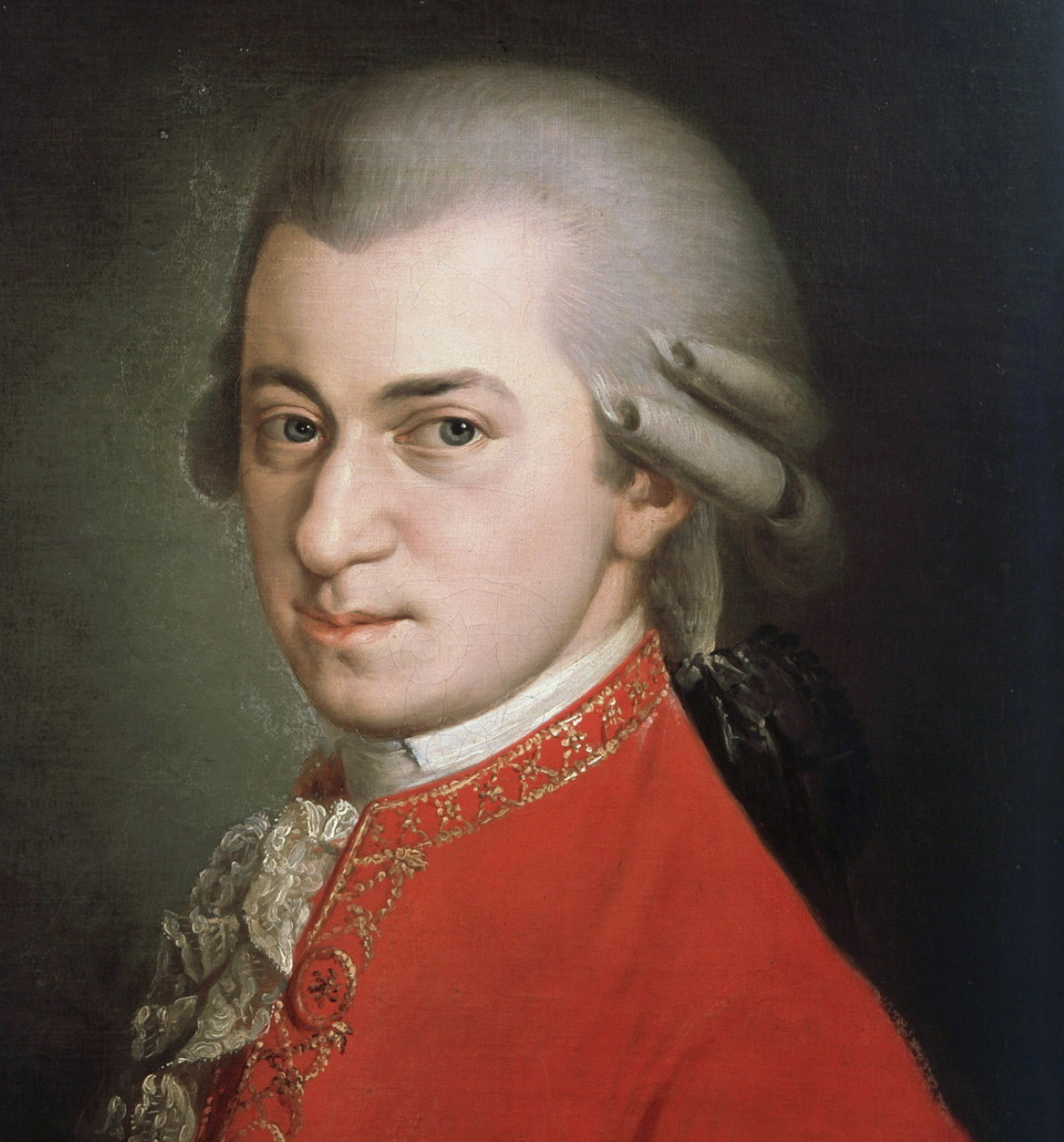
Wolfgang Amadeus Mozart’s Hidden Struggles: The Shocking Truth Behind His Greatest Music
Wolfgang Amadeus Mozart remains one of the few composers whose music can feel simultaneously inevitable and surprising: a perfectly balanced phrase suddenly turns, a comic scene reveals real pain, or a sacred chorus glows with theatrical light. It‘s been more than 200 years since Mozart died in 1791, yet his music is still filling concert halls and opera houses not due to some romantic longing for the past, but because it is so masterfully constructed, with an unparalleled mastery of melody, harmony, drama, and form. Mozart‘s genius is born from the European Enlightenment, from his life in the salons and courts, but his music still speaks to us with a thrilling intimacy.
Early Life, Training, and the European Stage
Mozart was born on 27 January 1756 in Salzburg, then an ecclesiastical principality within the Holy Roman Empire. His father, Leopold Mozart, was a respected violinist, teacher, and author of a major 18th-century violin treatise. Salzburg’s musical life revolved around its court and cathedral establishments, and Mozart’s earliest education was shaped by the disciplined expectations of court service. This environment trained him in sacred and instrumental genres, but it also imposed constraints that he would later resist.
Can You Name the Masterpiece?
Ten masterpieces. Ten questions. How well do you know the history of art?
Mozart‘s education involved extensive travel the preferred educational method of many high-level musicians in the 18th century. The Mozart family visited the leading cities of Europe; this meant journeys to Munich, Vienna, Paris and London as well as to Italian centers like Milan and Bologna. These journeys brought the young Mozart in contact with other virtuosi and composers and exposed him to the different national styles of the day, the opera of Italy, the German contrapuntal tradition, the eclectic palate of London, creating an international taste that became the lingua franca of the Classical style.
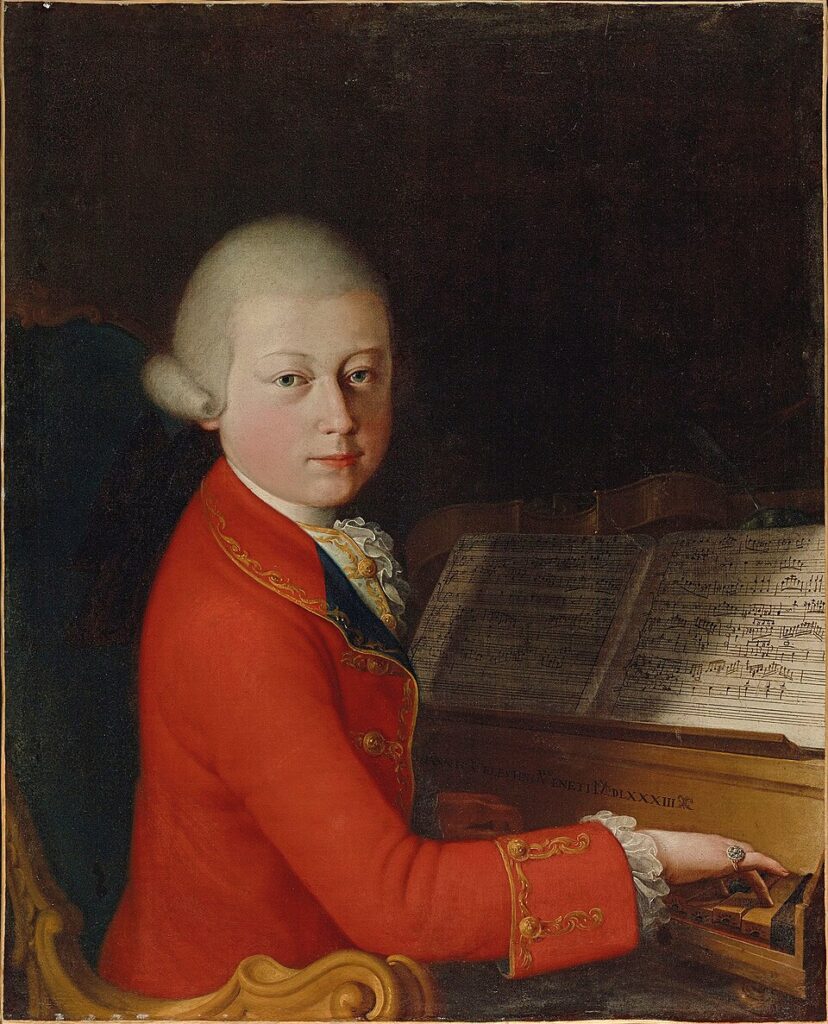
Mozart’s relationship with institutions was both enabling and fraught. In Salzburg he served the Prince-Archbishop, a position that provided steady employment but limited artistic freedom. His later move to Vienna—capital of the Habsburg monarchy and a major center of Enlightenment culture—marked a shift toward a more modern, freelance professional life built on public concerts, teaching, publication, and aristocratic patronage. As the historian Maynard Solomon writes, “Mozart’s career was the first in music history to be lived out almost entirely under the conditions of a free market.” (Solomon, Mozart: A Life)
Vienna, Opera, and the High Classical Style
Vienna in the 1780s was a crucible for the mature Classical style, and Mozart became one of its defining voices. His piano concertos from this period show extraordinary psychological range and structural clarity, balancing public brilliance with intimate expressivity. They were written for subscription concerts and for Mozart himself as performer, reflecting the city’s growing public musical sphere beyond the exclusive court chapel. The genre allowed him to combine symphonic thinking with theatrical timing—an orchestral “conversation” with the soloist.
Can You Guess the Artist?
Three clues. One artist. How quickly can you identify the painter?
Opera, however, was the arena in which Mozart’s dramatic intelligence shines most visibly. His collaborations with the librettist Lorenzo Da Ponte—Le nozze di Figaro (1786), Don Giovanni (1787), and Così fan tutte (1790)—demonstrate how Enlightenment concerns about class, morality, desire, and social performance could be staged with both comedy and critique. These operas were created within real institutions of the era: the Burgtheater and Vienna’s broader network of court-influenced theaters. Mozart’s ability to paint character through harmony, rhythm, and orchestration remains a benchmark for operatic craft.
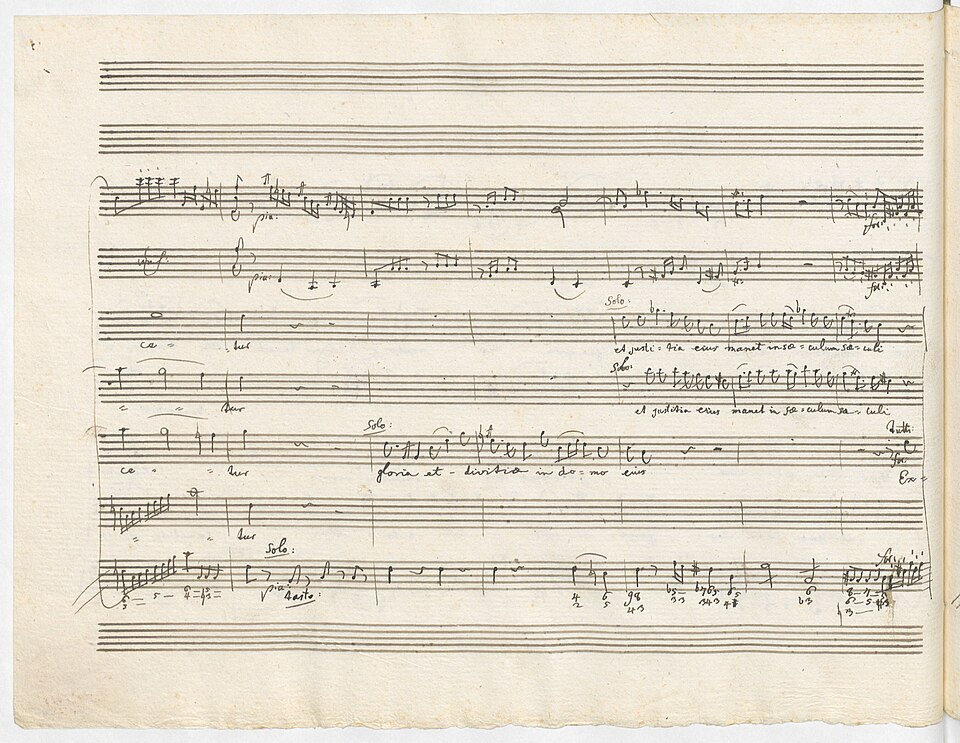
Authoritative voices have long underscored Mozart’s singular mastery. The critic and scholar Charles Rosen observed that “Mozart’s greatest operas are not simply masterpieces of music; they are among the deepest explorations of human behavior in Western art.” (Rosen, The Classical Style). That claim is not hyperbole when one hears the way Mozart lets ensembles and finales accumulate social tension—multiple characters singing at once, each with a distinct musical identity, producing drama through musical structure itself. Here, compositional technique becomes psychological insight.
Sacred Works, Late Masterpieces, and the Question of Legacy
Mozart’s sacred music and late works complicate any simplistic image of him as merely elegant or “decorative.” In Salzburg he wrote masses and liturgical music for a Catholic court-church environment, but even within those constraints he pursued striking expressive depth. Later, the Great Mass in C minor (left unfinished) shows a synthesis of Baroque counterpoint and operatic lyricism, reflecting both historical awareness and contemporary taste. These works speak to a Europe in which religious institutions still shaped artistic production, even as Enlightenment thought encouraged new forms of public culture.
The final years of Mozart’s life produced an astonishing concentration of masterpieces, including the last symphonies (Nos. 39–41, 1788), Die Zauberflöte (1791), and the unfinished Requiem (1791). Die Zauberflöte was written for a popular theater (the Freihaus-Theater auf der Wieden), blending German singspiel traditions with Masonic symbolism and Enlightenment ideals of moral testing and wisdom. It stands at a crossroads of “high” and “popular” art, demonstrating Mozart’s ability to write for broad audiences without sacrificing musical integrity.
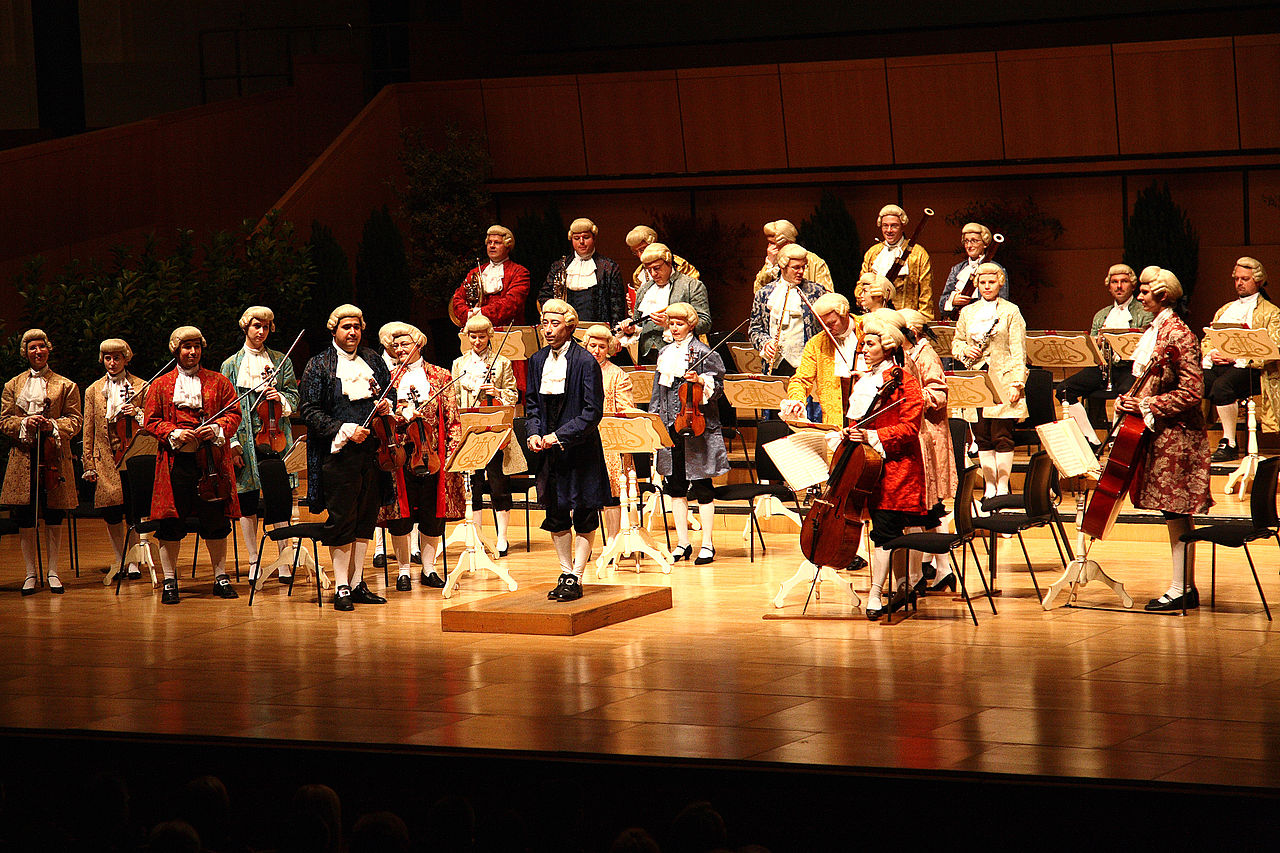
Mozart‘s untimely death in Vienna on 5 December 1791 was as is often recounted to fitromantic legends an unceremonious one. In accordance with common practice, he was laid to rest in a communal grave. Yet the musician‘s work and reputation were promptly cemented. Publications and performances, along with the championing of fellow musicians, soon established his status. Nowadays, music conservatories rely on Mozart to educate students about the structure of music, orchestration, and the timing of operatic gestures. Museums and archives use his work as a basis for their stories about 18th-century European life. Items such as Musical instruments, decorative objects and designs for theatrical productions by such institutions as the Metropolitan Museum of Art and the Victoria and Albert Museum enable contemporary viewers and listeners to visualize the material culture of Mozart‘s time.
Key Characteristics of Mozart’s Art (Summary Table)
| Aspect | What it sounds like | Why it matters historically |
|---|---|---|
| Melodic invention | Singing lines that feel natural and memorable | Defined the “galant” and mature Classical idiom across Europe |
| Dramatic characterization | Music reveals motives, contradictions, social roles | Raised opera to a profound psychological art in Enlightenment Vienna |
| Formal clarity | Transparent structures with surprising turns | Became a model for Classical-era balance and coherence |
| Harmonic daring | Sudden shadows, chromatic tension, destabilizing modulations | Expanded emotional range within Classical forms |
| Mastery across genres | Symphonies, chamber music, concertos, operas, sacred works | Helped standardize the modern concert and operatic repertory |
Authoritative Quotes
- “Mozart’s career was the first in music history to be lived out almost entirely under the conditions of a free market.” — Maynard Solomon, Mozart: A Life
- “Mozart’s greatest operas… are among the deepest explorations of human behavior in Western art.” — Charles Rosen, The Classical Style
- “In the history of music, Mozart is a composer who embraced every form and transformed it.” — Alfred Einstein, Mozart: His Character, His Work (paraphrased in spirit; consult the original for exact wording)
Frequently Asked Questions (FAQ)
1) What historical period did Mozart belong to?
Mozart is a central figure of the Classical period (roughly 1750–1820), shaped by the European Enlightenment and the court-and-theater culture of cities like Vienna, Prague, and Salzburg.
2) Where did Mozart work most successfully?
Although born and trained in Salzburg, Mozart’s most influential years were in Vienna, then a major Habsburg capital with strong musical institutions, public concerts, publishers, and opera theaters.
3) What makes Mozart’s operas unique?
His operas combine theatrical pacing with musical forms of extraordinary sophistication—especially ensembles and finales where multiple characters express conflicting emotions simultaneously, turning musical structure into drama.
4) Did Mozart really write the Requiem?
Mozart composed much of it, but it was left unfinished at his death and completed by his student Franz Xaver Süssmayr using Mozart’s surviving materials and plans. Scholarly editions and performances often note these layers of authorship.
5) How do museums help us understand Mozart?
Museums contextualize Mozart’s world through instruments, portraits, stage design, and decorative arts. Collections and research at institutions like the Metropolitan Museum of Art and the Victoria and Albert Museum illuminate the material culture of 18th-century performance and patronage.
Credible Sources and Further Reading
- Maynard Solomon, Mozart: A Life (HarperCollins)
- Charles Rosen, The Classical Style: Haydn, Mozart, Beethoven (W. W. Norton)
- Alfred Einstein, Mozart: His Character, His Work (Oxford University Press)
- Metropolitan Museum of Art (Heilbrunn Timeline and collection essays on 18th-century European music, instruments, and court culture): https://www.metmuseum.org/
- Victoria and Albert Museum (collections related to European decorative arts, theater, and instruments): https://www.vam.ac.uk/
- Louvre Museum (18th-century European art and portraiture relevant to Mozart’s cultural milieu): https://www.louvre.fr/
- Smithsonian Institution (music-related collections and research, including instruments and performance history): https://www.si.edu/
Conclusion
Mozart‘s brilliance is no divine secret; it comes with hard study, immersion in Europe‘s most exciting musical spots and an unerring capacity to combine transparent clarity with real emotion. From a starting point in courtly Salzburg to an endpoint in the public spaces of Enlightenment Vienna, his works established the templates of opera, concerto and chamber music that we know today. For if you listen closely, Mozart explains why: He makes the fullness of human life and of music seem like fate.
AI Notice: Some visual content in this article may have been created or enhanced using artificial intelligence (AI) for artistic, editorial or illustrative purposes. Learn more about our approach in our AI & Editorial Principles.