
Why Everyone’s Hunting This Vintage Wood and Glass Coffee Table Look?
A vintage wood and glass coffee table can change the entire “temperature” of a room in a way few other pieces can: it adds warmth through timber, lightness through transparency, and a lived-in sense of design history through proportion and craft. Instead of trend-chasing furniture, the finest vintage pieces are marked by the personalities of their ages: the Art Deco opulence, the Bauhaus starkness, the mid-century hopefulness in a period when questions of form and material were taken as seriously as architecture. When you bring it into your living room, you‘re not just getting a book-and-cup-holding platform.
The Origins: How Wood and Glass Became a Modern Classic
The coffee table as we recognize it emerged alongside modern living patterns in the late 19th and early 20th centuries, when sitting rooms and salons evolved into more informal “living rooms.” Low tables existed earlier, but the widespread pairing of refined woodwork with glass surfaces rose with urban apartment living and the growth of café culture, where low, accessible surfaces suited conversation and leisure. In cities like Paris, London, and New York, furniture makers responded to changing interiors by creating tables that visually “opened” a room—glass became a powerful tool for that.
Can You Name the Masterpiece?
Ten masterpieces. Ten questions. How well do you know the history of art?
Glass represented the future, then. Thanks to new methods of manufacture and the use of plate glass, larger, flatter sheets of glass became an option for furniture. This suited the era‘s move toward visual lightness: a glass surface means that the skills of a woodworker beneath it still shows through, without the visual weight of a slab of timber. In museum pieces such as these, that tendency toward legibility, transparency, and material honesty is a parallel albeit one applied to domestic furniture, rather than high art to movements seen, for example, at the Victoria and Albert Museum.
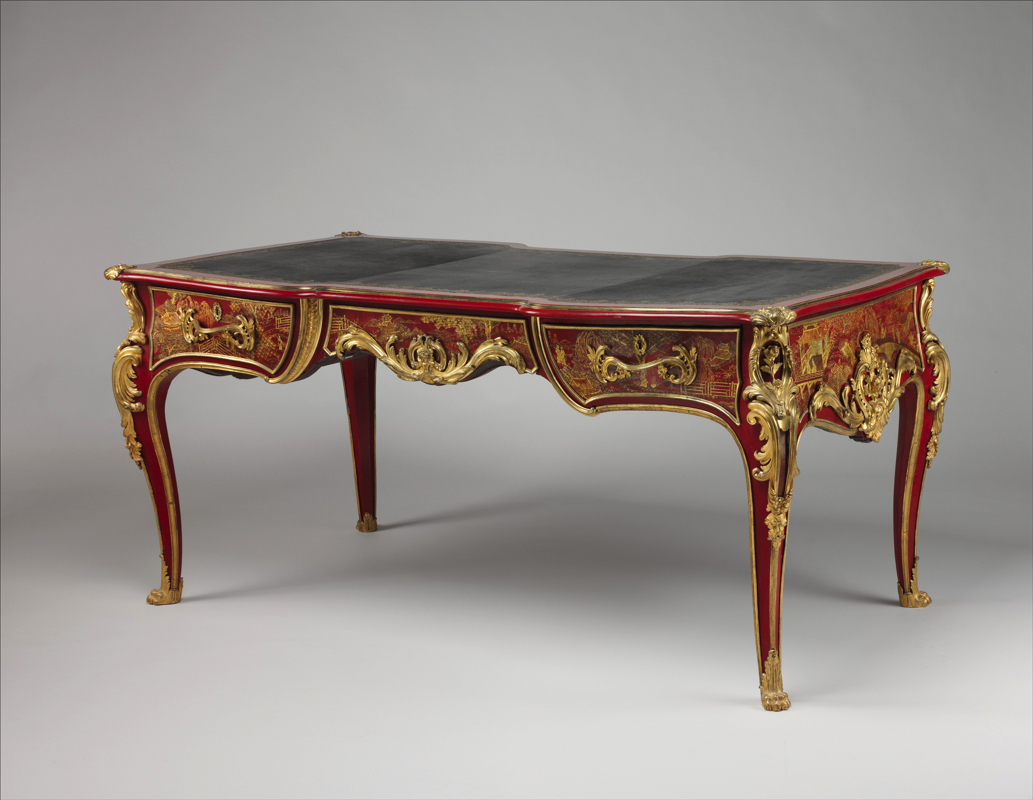
Art Deco designers in the 1920s and 1930s favored expensive materials such as lacquer, chrome, glass and richly polished wood for a modern and luxurious appeal. Afterwards, in Germany, Bauhaus and the other modernist movements stressed clarity of structure and function in forms which were rational and unadorned. Both the Metropolitan Museum of Art and the Smithsonian Institution hold design artifacts that illustrate how, in the 20th century, modernism raised common household furnishings and furniture to the status of design expressions expressions of culture and of industry making this wood-and-glass table a part of a larger story about easy luxury, engineered perfection and the language of modern design that knew no borders.
Defining Features: What Makes a Table “Vintage” and Desirable
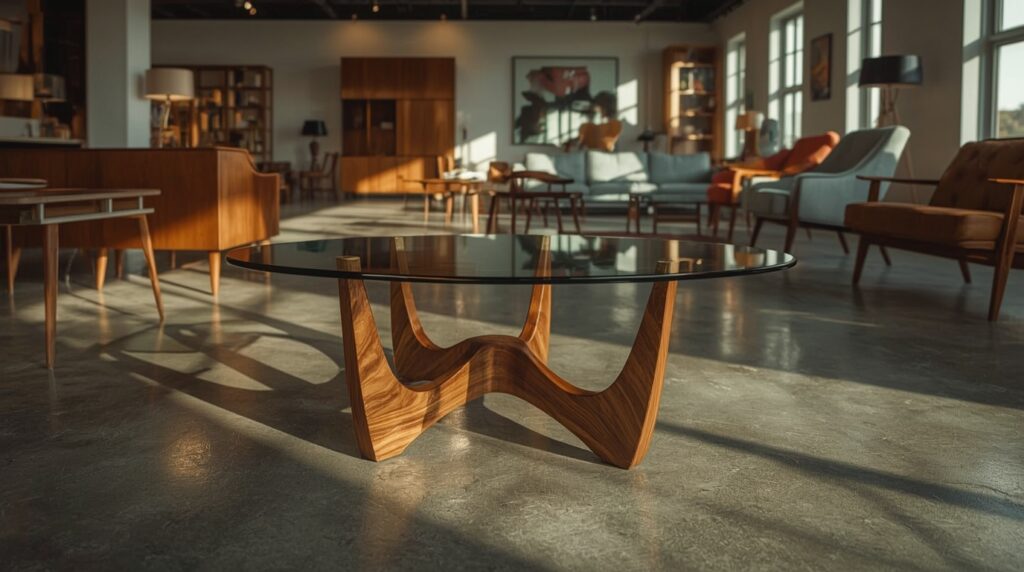
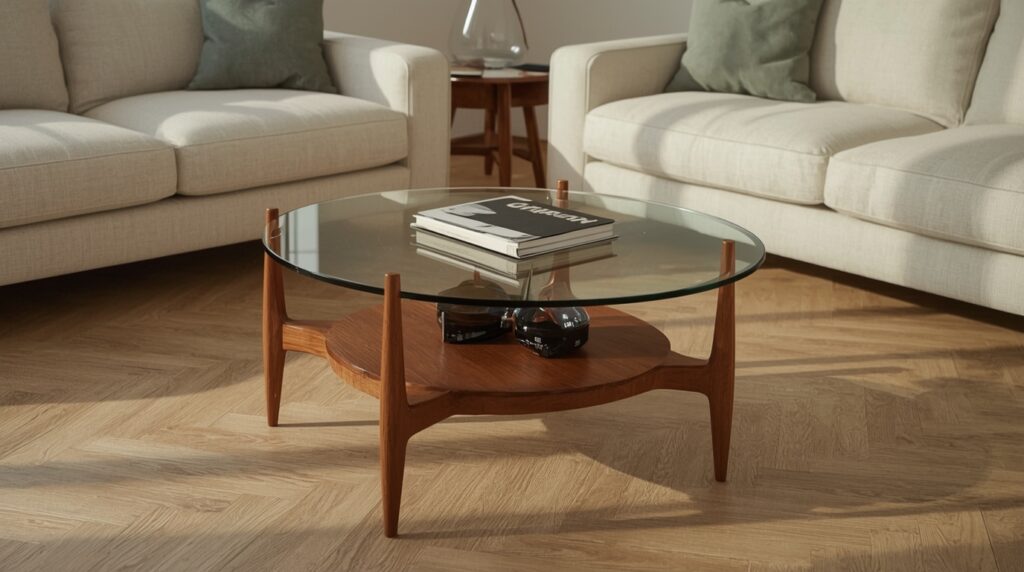
“Vintage” is often used loosely, but in design collecting it usually implies age (often 20–100 years), period character, and authentic construction consistent with its time. A vintage wood and glass coffee table typically reveals its era through joinery, proportions, and surface treatment. Mid-century Modern pieces (roughly 1945–1969) may show tapered legs, floating tops, and teak or walnut veneers; Art Deco examples (1920s–1930s) often emphasize symmetry, dramatic curves, and high-gloss finishes; 1970s designs may introduce chunkier forms, smoked glass, and bolder silhouettes.
Can You Guess the Artist?
Three clues. One artist. How quickly can you identify the painter?
And what makes something desirable? Beauty, materials, character, craftsmanship. Hardwood frames, good veneers, solid joinery; glass on top (smoky, clear, or patterned). Original hardware screws, brackets, stretchers is essential to collectors as it proves history. Imagine being a curator: does the piece make the case for its design clearly and can it live on retaining its soul?
There‘s a gray area to condition with vintage furnishings. The surface patina of an antique table can be a sign of authenticity if it appears to be genuine wear rather than disrepair. If the table is structurally unsound, water damaged, or refinished poorly and inconsistently, however, value decreases. With glass, it is more cut and dry. Any chips, scratches that are more than superficial or refitted glass (that wasn‘t originally custom-cut for the table, which most wasn‘t) will lessen the perceived value and safety. Conservation ethics applied by institutions like the V&A or The Met. are used to prioritize preservation and avoid heavy-handed restoration so owners can keep an authentic table as true as possible to its original form.
Key Characteristics at a Glance
| Characteristic | What to Look For | Why It Matters |
|---|---|---|
| Wood species | Walnut, teak, oak, rosewood (period-dependent) | Indicates era, quality, and value |
| Joinery & build | Mortise-and-tenon, dowels, quality veneers | Signals craftsmanship and longevity |
| Glass type | Clear, smoked, beveled, or textured | Influences style, safety, and dating |
| Proportions | Low profile; balanced footprint | Reveals design period and usability |
| Hardware/finish | Original brackets, screws, lacquer/oil finish | Helps authenticate and preserve value |
Style Periods and Cultural Context: From Art Deco to Mid-Century Modern
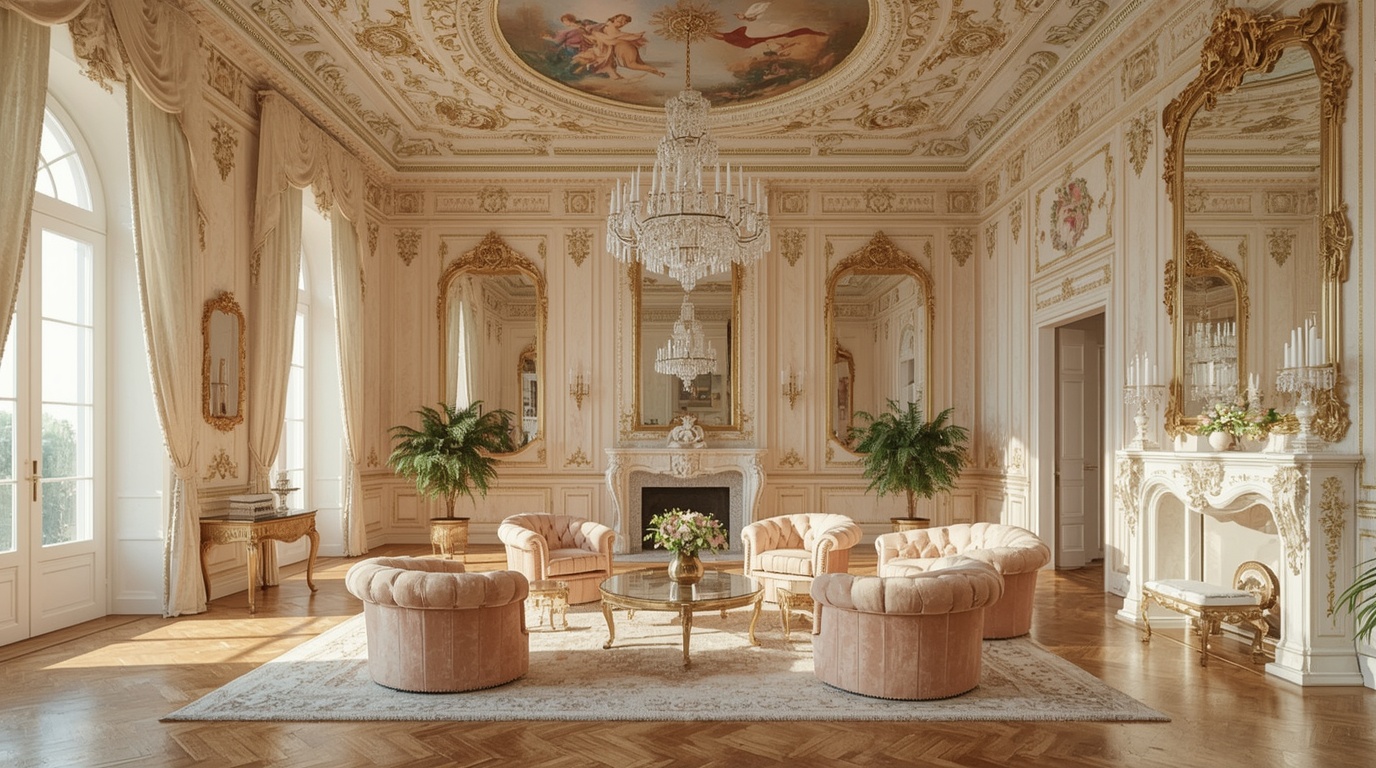
Art Deco (1920s–1930s) brought a celebration of geometry and luxury, influenced by international exhibitions and a fascination with speed, industry, and cosmopolitan life. In this period, wood bases might feature bold veneers, curved aprons, or contrasting inlays, while glass tops provided a sleek counterpoint. Paris played a central role in defining Deco’s public image, while London and New York developed their own variations through department stores, ateliers, and architects furnishing modern flats and townhouses.
Bauhaus and broader European modernism (1919–1933 and onward) reframed furniture as a disciplined problem of function and form. While Bauhaus is often associated with tubular steel, the movement’s ethos—clarity, reduction, and honesty of materials—also shaped wood-based furniture. The use of glass in tables harmonized with modernism’s desire for openness and light, particularly in smaller urban rooms. Museums including the Smithsonian Institution and The Metropolitan Museum of Art contextualize these shifts within industrial design and architecture, showing how furniture echoed new ways of living.
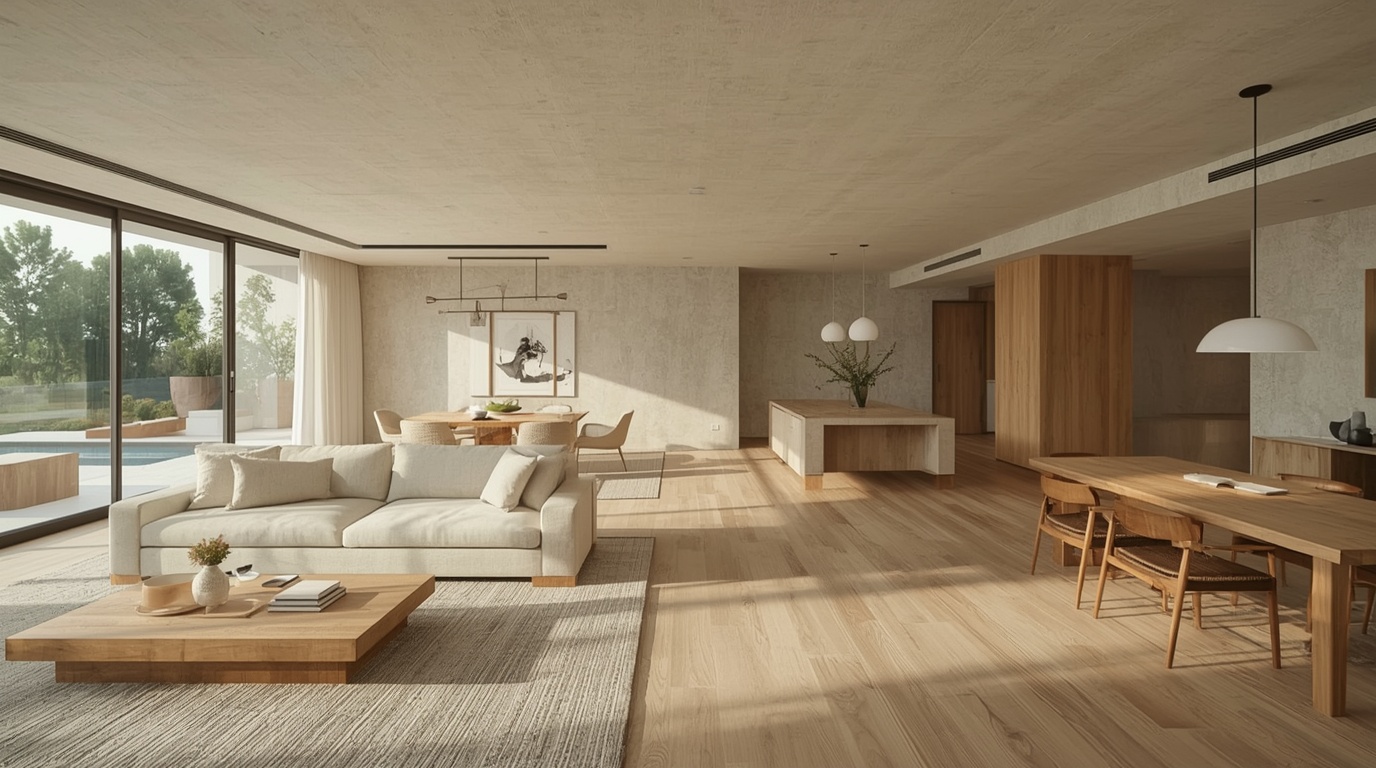
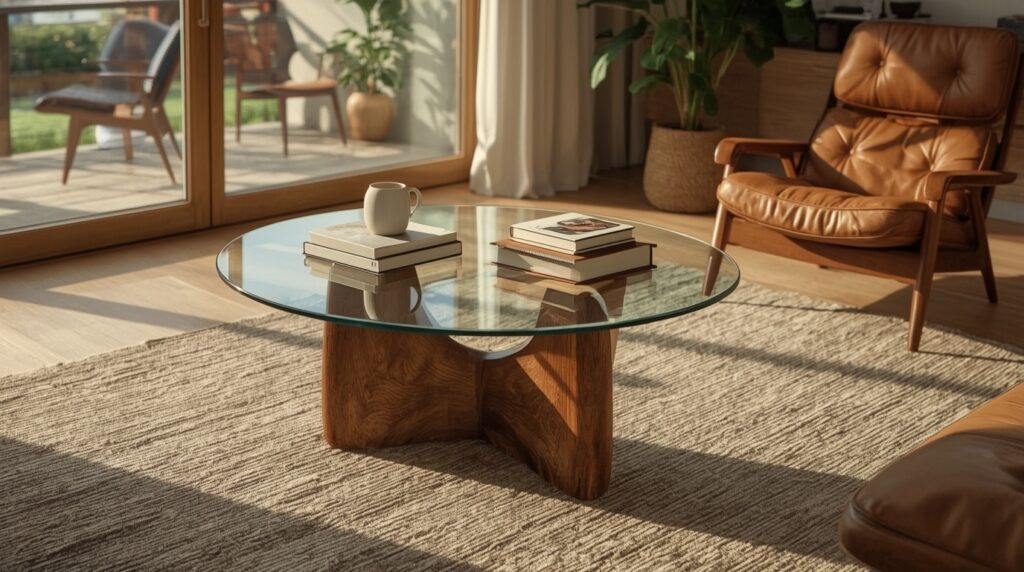
Mid-century Modern (approximately 1945–1969) expanded modernism into a warmer, more organic vocabulary. Scandinavian and American makers popularized clean lines, tapered legs, and richly grained woods like teak and walnut, often pairing them with glass to keep the form airy. This era’s design culture was also tied to postwar institutions and exhibitions that promoted “good design” for everyday homes. As a historical reference point, the Museum of Modern Art’s influential “Good Design” program (1950s) helped define public taste for modern furnishings—an example frequently cited in design scholarship and widely echoed in museum narratives about postwar interiors.
Authentication, Care, and Collecting: An Expert Approach
A classic wood-and-glass coffee table requires patient scrutiny. Begin with the base: look underneath, in the rails or under the top frame for manufacturer‘s stamps, labels, or factory codes. Inspect the screws and brackets; early hardware has the marks of its time, and a mismatch might mean it‘s been repaired since. Evaluate the thickness and edgework of the glass a beveled edge might suggest one era, smoke-tinted glass another, much later, decade. If you have receipts, old photographs, or shop records keep ‘em like you would an heirloom!
Your table needs a loving hand that understands that treatments are best if safe and reversible. Wood is sensitive to humidity and temperature, so don‘t put it anywhere near a radiator, or in a sun puddle. Even though there‘s a glass top, don‘t forget that condensation can easily creep down to the wood base. Clean the wood with mild, wood-safe cleaners and nothing with silicone-heavy polishes that makes future restoration tricky. Use ammonia-free cleaners for glass where you can, and make sure the pane isn‘t bowing or stressing within its supports. If the table base is wobbly, don‘t reach for super glue and a quick fix if it‘s old and splintery, the wood will split. Talk to a conservator or furniture restorer instead.
For collectors, knowledge is just as much of a commodity as the item. Review exhibition catalogs, examine construction details and research, and even seek out trusted dealers who are transparent about restorations. As a general guideline, follow a conservation-based strategy (the same philosophy that most major institutions follow). The Smithsonian‘s collections and conservation policy explains that preservation means maintaining an object as close as possible to its current state and keeping as much of the original material as possible, which is always the best strategy for long-term value.
Conclusion
A vintage wood and glass coffee table is more than a stylish centerpiece: it’s a practical, touchable expression of design history shaped by Art Deco ambition, modernist clarity, and mid-century warmth. By understanding period cues, materials, and conservation-minded care—supported by the kind of contextual thinking modeled by institutions like The Metropolitan Museum of Art, the V&A, the Louvre, and the Smithsonian—you can choose a piece that feels authentic, endures daily use, and brings lasting character to your home.
AI Notice: Some visual content in this article may have been created or enhanced using artificial intelligence (AI) for artistic, editorial or illustrative purposes. Learn more about our approach in our AI & Editorial Principles.