
Why Vintage Industrial Table Lamps Are More Than Just Factory Decor
At first glance, vintage industrial table lamps look purely functional — metal shades, exposed hardware, visible joints, worn finishes. But beneath their utilitarian appearance lies a design movement shaped by early electrification, wartime manufacturing, and the rise of modern workspaces.
Today, collectors, designers, and restoration experts are rediscovering them not just as lighting — but as mechanical sculpture.
Can You Name the Masterpiece?
Ten masterpieces. Ten questions. How well do you know the history of art?
If you’re considering buying, restoring, or investing in vintage industrial table lamps, this guide will help you understand what separates authentic pieces from decorative reproductions — and what truly holds value.
What Defines Vintage Industrial Table Lamps?
True vintage industrial table lamps were originally designed for:
Factories
Workshops
Sketching tables
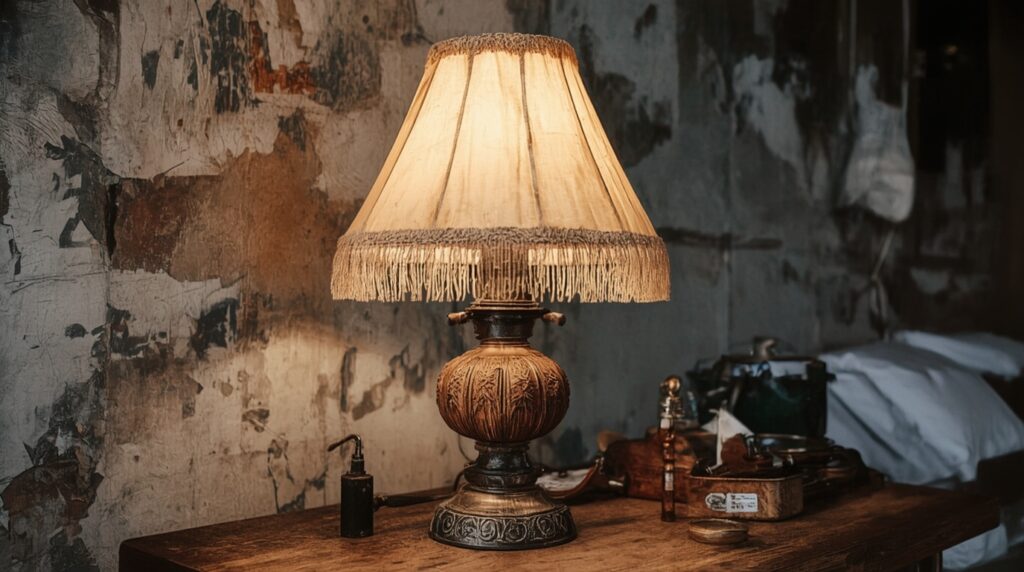
Laboratories:
Early offices were all about efficiency.
Can You Guess the Artist?
Three clues. One artist. How quickly can you identify the painter?
Key identifying features include:
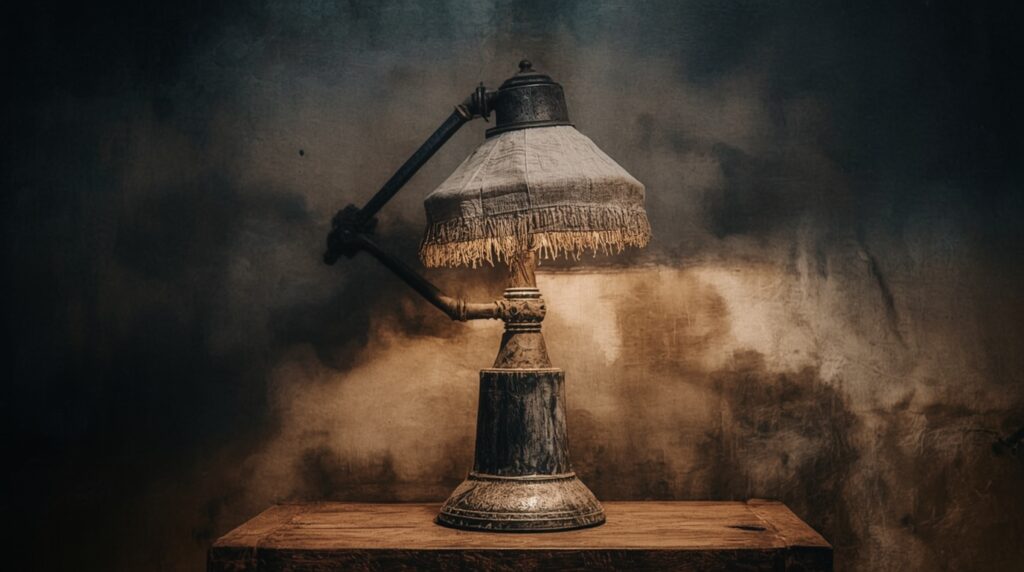
Weighty cast iron and/or steel bases.
The tension springs or wing nuts on Adjustable arms are.
Enameled metal shades:
Exposed rivets and visible joints of the mechanism
Little flair.
These lamps were made with longevity in mind — and not with aesthetics as a priority. Their appeal today stems from that sincerity in manufacture.
Function Before Style
But it is no coincidence, that the popular industrial table lamp came up with the electrification period between the late 19th and early 20th centuries.
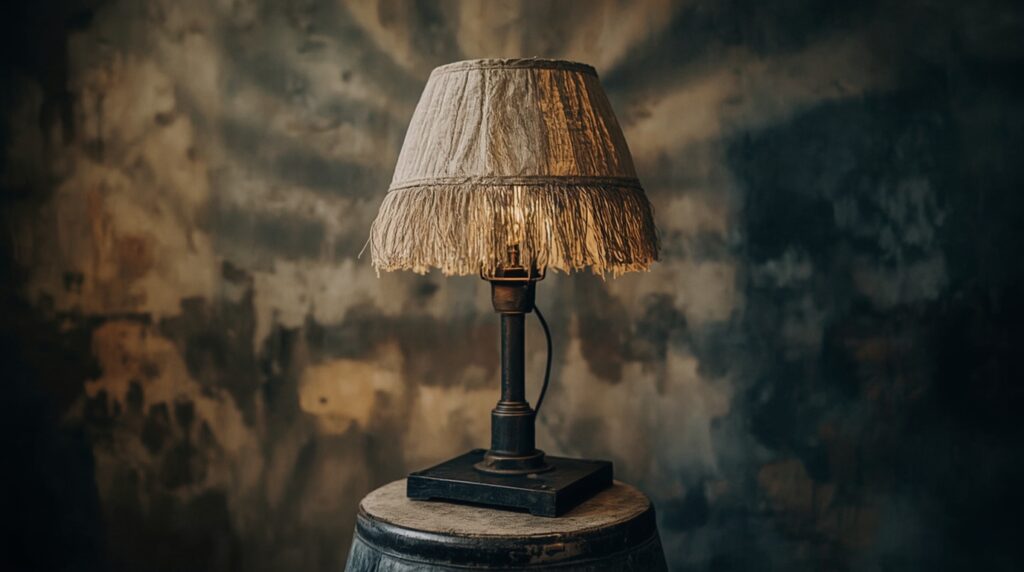
But as our cities grew and industrialized, factory work demanded our attention, and task lighting became a necessity — enter the adjustable desk lamp.
Some influential manufacturers include:
Jielde — Associated with articulated steel industrial lamps of the postwar European design era.
Anglepoise — Known for the spring-balanced engineering.
Kaiser Idell (metal lamp, Bauhaus style)
We also inspired our design language based on earlier design movements like Bauhaus, as well as earlier forms of industrial modernism. Form follows function.
Function turned into form.
Why They’re Trending Again
Several forces explain renewed demand for vintage industrial table lamps:
1. Authentic Materials
Solid steel, cast iron, thick enamel — these materials contrast sharply with today’s lightweight reproductions.
2. Mechanical Aesthetic
Visible springs and joints create visual interest, especially in minimalist interiors.
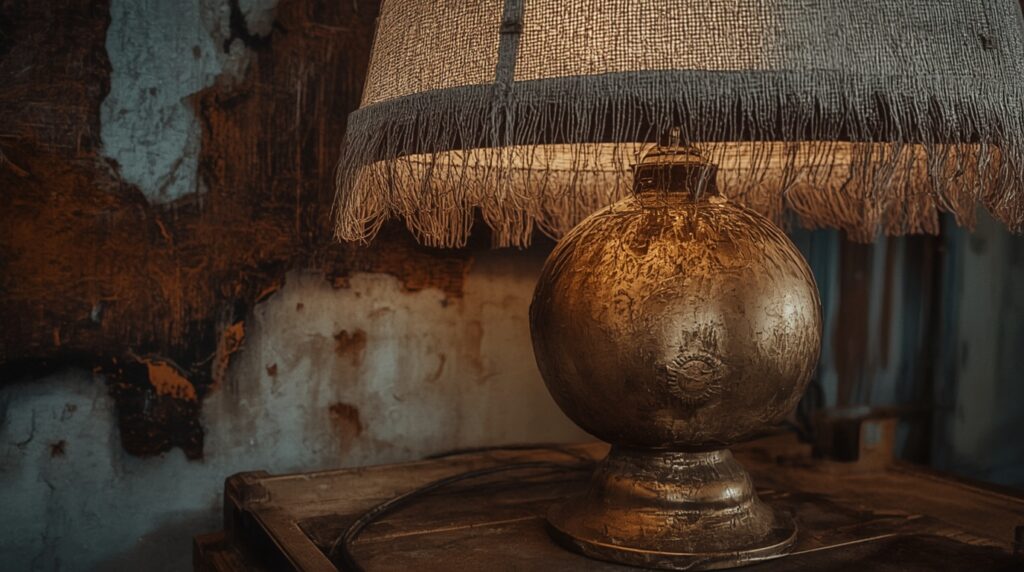
3. Loft and Industrial Interior Trends
Exposed brick, reclaimed wood, and metal accents pair naturally with factory-era lighting.
4. Sustainability
Buying vintage reduces manufacturing demand and preserves durable objects.
What Experts Look for When Evaluating Authenticity
From a restoration and resale perspective, professionals examine:
Original Finish
Some paint wear patina, makes the piece more authentic, over time, too much repainting diminishes the collector value.
Mechanical Integrity
Arms must not be pressed down too tightly. The springs should operate smoothly.
Base Weight
Real vintage industrial table lamps should feel substantial as there are cast-metal parts used.
Maker‘s Mark
Stamped-Branding, Embossed-plates, and Etched-labels are Valuable.
Wiring Condition
Original wiring is available and standard but less safe. It is considered less safe and skilled re-wiring is available and quite acceptable to the market.
Restoration Considerations
Vintage industrial lamps often require:
- Complete rewiring with modern insulated cable
- Socket replacement with UL-compliant components
- Careful cleaning without stripping original enamel
- Lubrication of mechanical joints
Over-restoration — such as sandblasting or powder-coating — can erase historical integrity.
From a conservation standpoint, stabilization is preferable to cosmetic perfection.
Market Value Overview
Prices vary based on brand, rarity, and condition.
| Category | Typical Market Range |
|---|---|
| Generic 1940s–60s factory lamp | $120–$350 |
| Signed mid-century European brand | $400–$900 |
| Rare early 20th-century adjustable model | $1,000+ |
| Fully restored, documented example | Premium pricing |
Well-documented restoration increases buyer confidence.
However, heavily modified lamps (new paint colors, altered arms) typically sell at decorative — not collector — pricing.
Common Buyer Mistakes
Many first-time buyers of vintage industrial table lamps make avoidable errors:
Mixing up recent “industrial style” reproductions with real vintage
Overlooking the structural cracks of the cast-iron bases,
Buy lamps with broken or useless tension springs.
(Paying; too; high; for newly painted items)2. Consumers purchasing for resale 3. As an incentive to paint the furniture.
Not testing the adjustability before buying.
If buying online, request close-up photos of:
Joints
Springs
Base bottom:
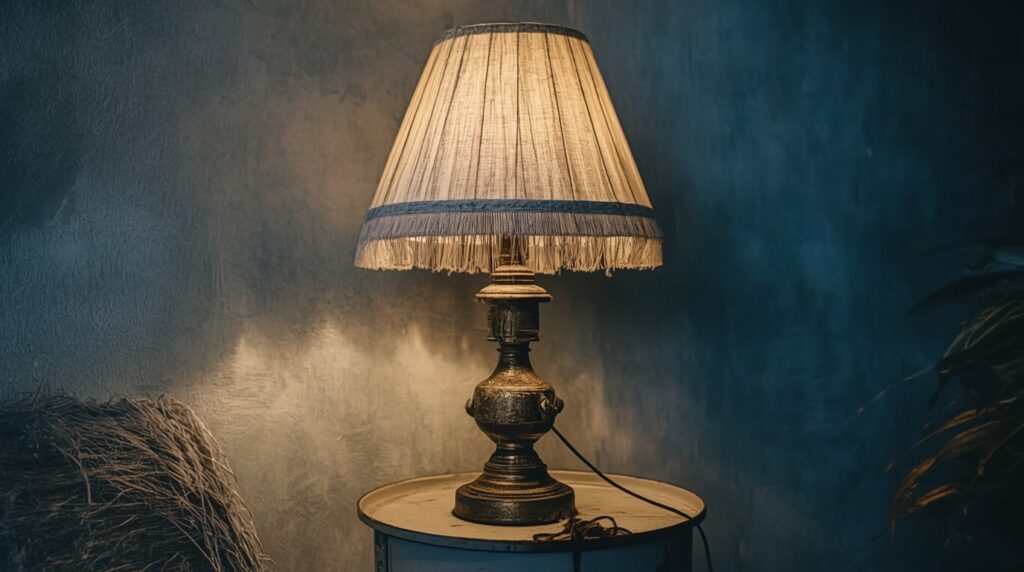
Entry point for wiring:
Transparency is a strong indicator of seller credibility. These lamps work especially well in:
‘In the home office context, the structure of the network has always had issues about the placement and sharing of information across the home network and what information could be retrieved in the case of needing remote access to the home network.’
At the library counter, which are also suggestive of a mini research technique 15. I always found the design of the library desks truly inspiring with the comfortable seating and cool wooden style!
Minimalist Louvr:
Contemporary Scandinavian rooms (for comparison)
Interior layouts made of a mix of materials (wood +metal + linen)
They are less suitable for:
Ornate classical interiors
Show the type of highly picturesque, heavily decorated French provincial surroundings;
Ultra-glam mirrored decor settings
Balance is important. Sometimes one real industrial lamp is more than enough to adjust the balance of a room rather than various decorative copies.
Are Vintage Industrial Table Lamps a Good Investment?
Short-term flipping can be inconsistent.
However, quality examples from recognized manufacturers tend to hold value steadily.
Investment potential increases when:
- The lamp retains original finish
- Mechanical parts are intact
- Restoration is documented
- The model is design-historically significant
Industrial lighting sits at the intersection of decorative arts and design history — giving it broader collector appeal than purely ornamental pieces.
Are Vintage Industrial Table Lamps True Bauhaus Design — or Just Industrial Nostalgia?
The existing vintageindustrial table lamps are mostlyindustrial nostalgia, not actual Bauhaus. Similar in appearance they are far removed from one another; a design coming out of the Bauhaus movement would be a manifestation of its ideology – transparency of functionality, feebleness of material, cohesion between fine arts and industrial mass production. A designer such as Christian Dells designing the lamps (Kaiser I idell series) which were manufactured with beautiful proportions, complex joints and tender yet Large contours were not designed to look steel like, they are steel; they would have been inspired by the ideals of mass production of the early 20 th century and the modernist future.
By contrast, most of the lamps and lanterns advertising that “vintage industrial” look so fashionable these days on eBay and Etsy are actually factory-made products of the 1940s-1970s, or from one of the revival bouts since then. Workshop suppliers commonly used enamel shades, open springs, rivets, bar guards and worn finishes in pursuit of factory authenticity.
But these are more in the fashion of labor-saving objects than design embodiments–and their contemporary equivalents are even more prevalent thanks to their upcycler appeal. The nostalgia-fuelled mechanical fetishism has created a market for rough tactile surfaces, an aged patina and complex mechanical detail as visual cue for a laid-back new work milieu. Bauhaus sought pure schematic formalism and integrated oneness.
Three main distinctions are balanced discipline (Bauhaus is smoothly mathematically refined), hardware integration (Bauhaus resides hidden in the seamless shapes) and craftsmanship (real Bauhaus objects don‘t look artificially grimed). The authentic Bauhaus light has very composed and muted. Industrial nostalgia has more of a emotional messiness.
Why Do Some Vintage Industrial Table Lamps Appreciate — While Others Stay Decorative?
What separates the appreciation of vintage industrial table lamps from their stagnation? On the standard five points of designer association, production date, build quality, uniqueness and cultural placement, vintage industrials seem to have one solid all the way through to appreciate—as those with ties to well-documented modernist movements (especially the Bauhaus). The fact that the design is understood as an anchor rather than simply factory output offset it. For instance, Christian Dell‘s early Kaiser Idells are sold as emblematic of high modernist functionalism, as they are disciplined in proportion, engineered as articulation and deemed historically significant, winning them cross-market traction from design markets, architects and museums.
In contrast, a significant number of these mid-century industrial workshop lamps, even if similar in appearance, were commercially manufactured as no particular designer‘s work. These are the components that are more likely to still end up as decorations, or objects of visual appreciation, because they are valued for their display qualities and not any historical status. Enamel shades, articulated arms and cast iron bases are desirable elements within many current lofts, but unless a person is a collector, buying with authentic design context is unlikely.
Original condition constitutes a further point of demarcation. Highly finished lamps with preserved enamel, original switches, original factory labels and authentic patination tend to command substantially higher prices. Over-restoring with highly polished finishes or converting to U. S. wiring with a prominent back plate or snake switch, can hinder value gains due to lack of authenticity indicators.
Material considerations aren‘t irrelevant. Steel of a heavier gauge, refined joint engineering, carefully balanced counterweights, long-lasting porcelain sockets—all of these can be evidence of thoughtful design, not something a manufacturer managed to throw together. And finally, cultural significance counts: objects marking a significant moment in design history (e.g., modernism, industrial revolution, early electrification) secure auction house confidence for the long haul.
Final Thoughts
The vintage industrial table lamps have been created in the ‘work shop’.
They were built for:
Precision
Durability
Function
Today, their appeal is in their authenticity. In the days of manufactured and generic decor, these lamps serve as a positive reminder that a well-designed article must be functional.
Vintage industrial table lamps, if you bring knowledgeable restoration and authenticating skills to the table, can be much more.
They provide history that you can switch on everyday.
AI Notice: Some visual content in this article may have been created or enhanced using artificial intelligence (AI) for artistic, editorial or illustrative purposes. Learn more about our approach in our AI & Editorial Principles.