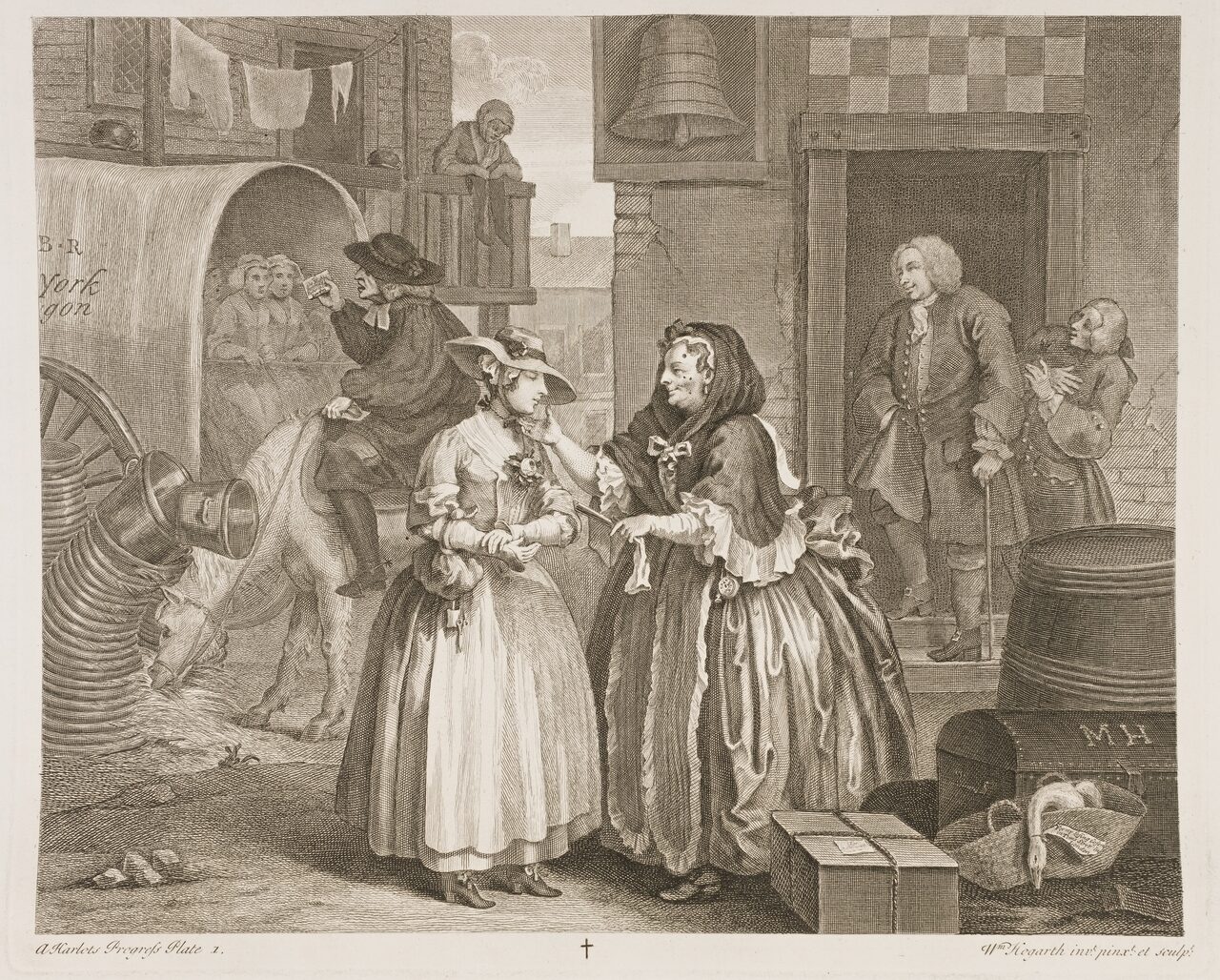
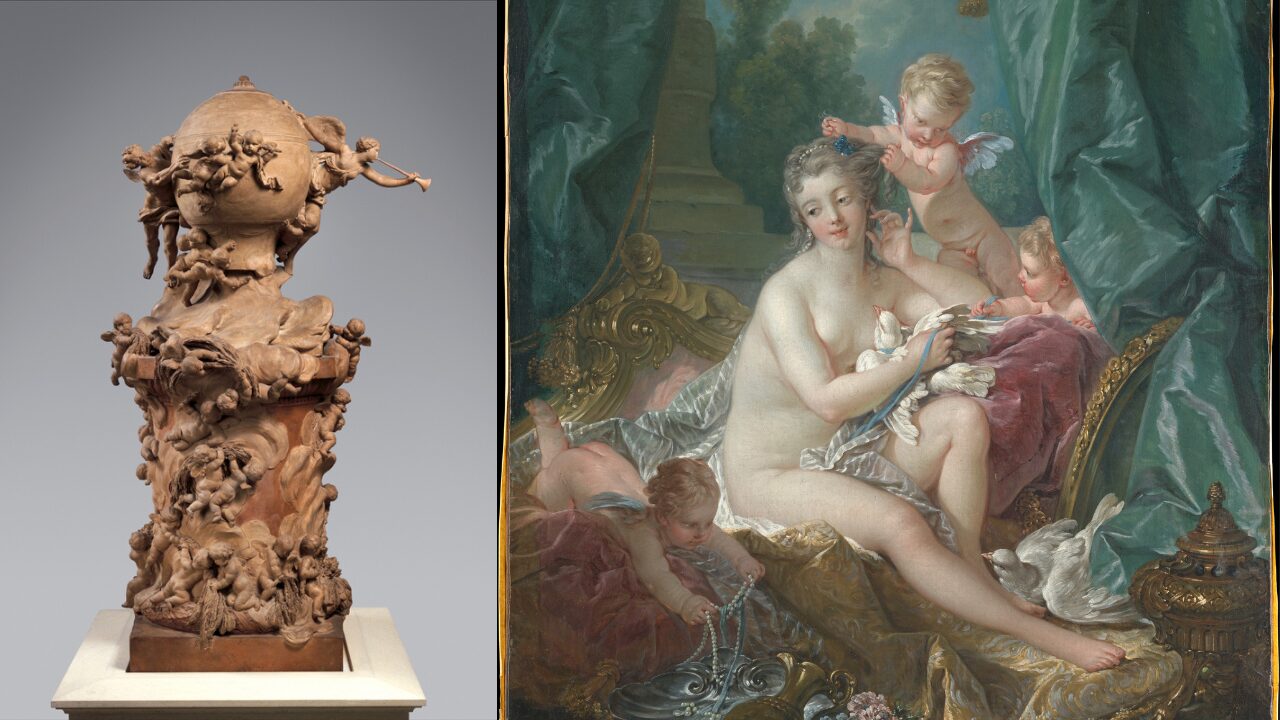
Circa the early 1700s, something quietly subversive was happening in European rooms. Walls became pliable. Corners loose. Ornament started to curl instead of dominating. Instead of being pissed off by the preceding architects, interior designers started to feel relieved… With the super seriousness of the previous Baroque period and its stiffly symmetrical theatricality, rooms started to take on their own sense of intimacy, movement and symmetry. Where awe was the goal of the Baroque, pleasure was of the rococo.
The rococo taste originated in France and reached maturity there under Louis XV, but it spread out to dominate the contemporary styles of Bavaria, Austria, Italy and elsewhere.
Can You Name the Masterpiece?
Ten masterpieces. Ten questions. How well do you know the history of art?
What was aesthetically happening to interior design was indicative of a reversal in the manner of man inhabiting space. As rooms ceased to be designed solely for impressing ambassadors they became places for talking, listening, flirting and pondering. The salon supplanted the throne room as the heart of society.
Where the monumental Baroque halls erected a hierarchy, the rococo interiors rather sought comfort and a flow. Its ornament moved like vegetation rather than geometric. A web of shells, foliage and sinuous curls made up an organic network over the panelling and the ceilings. What came about was a space that seemed natural, but was far from it.
In studying the rococo interior design style we come to know one moment in history that embraces intelligence instead of law, comfort before formality, and bliss as a cultivated attribute. It is a pinnacle of good taste in the history of European residence, short lived but powerfully inspiring, an redefinition of how lightness can be experienced.
Historical context: from grandeur to intimacy
Can You Guess the Artist?
Three clues. One artist. How quickly can you identify the painter?
The rococo interior style, however, did not emerge in a vacuum. Whereas the Louis XIV palace, based interior was formal and politically politicized, under Louis XV, the political center became more distant and aristocratic life moved into private homes and Paris hotels particuliers.
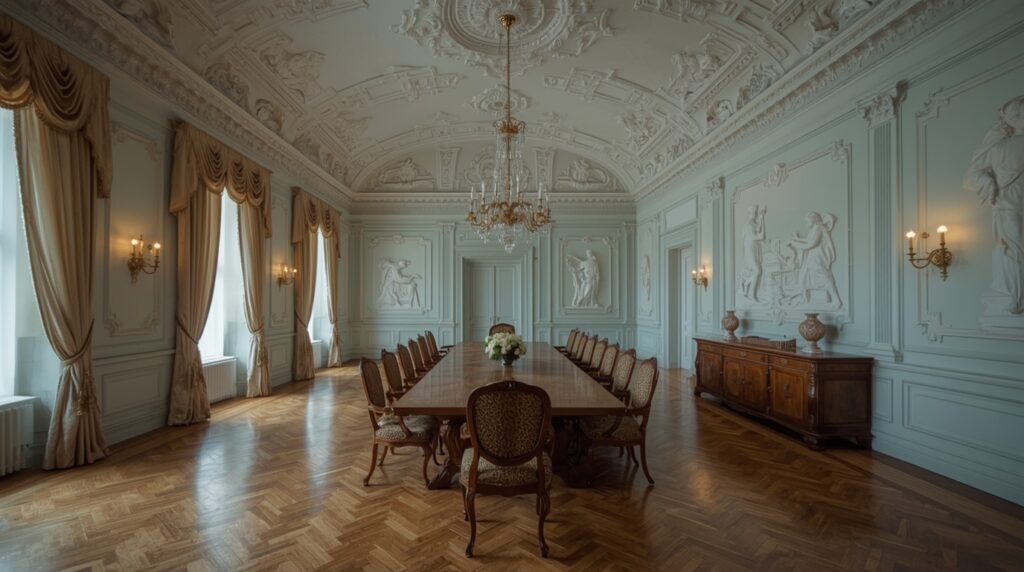
Germain Boffrand and other designers serving the grand Parisian elite started experimenting with more lightweight schemes. Walls were articulated with boiserie whose panels and framing melted into increasingly fluent, irregular ornament. No longer based on regularity of form, ornament relied on a sense of compositional equilibrium.
In Bavaria, for example, brothers Cosmas Damian and Egid Quirin Asam produced highly theatrical spiritual settings that translated French Rococo into church interiors.
While in Italy, Giambattista Tiepolo‘s frescoes pushed the ceiling, with glorious effects of luminous atmospheres, into a space that seemed like a natural extension of the room. Thus the rococo interior style can be argued to signal a cultural change. It was not against, Baroque, but post, Baroque, making good the more refined.
| Baroque interior | Rococo interior |
|---|---|
| Monumental symmetry | Asymmetrical flow |
| Dramatic contrast | Soft transitions |
| Political grandeur | Social intimacy |
| Heavy ornament mass | Light, dispersed ornament |
Giovanni Battista Tiepolo
Giovanni Battista Tiepolo represents one of the last great geniuses of Venetian Baroque, and a major individual in eighteenth century ceiling decoration, turning architecture into a heavenly theater through the language of light, illusion and lightness of tone. A native of Venice where he was born in 1696, he developed a distinctly lighter, more atmospheric version of the Baroque effect of dramatic chiaroscuro perfected in the works of his predecessors.
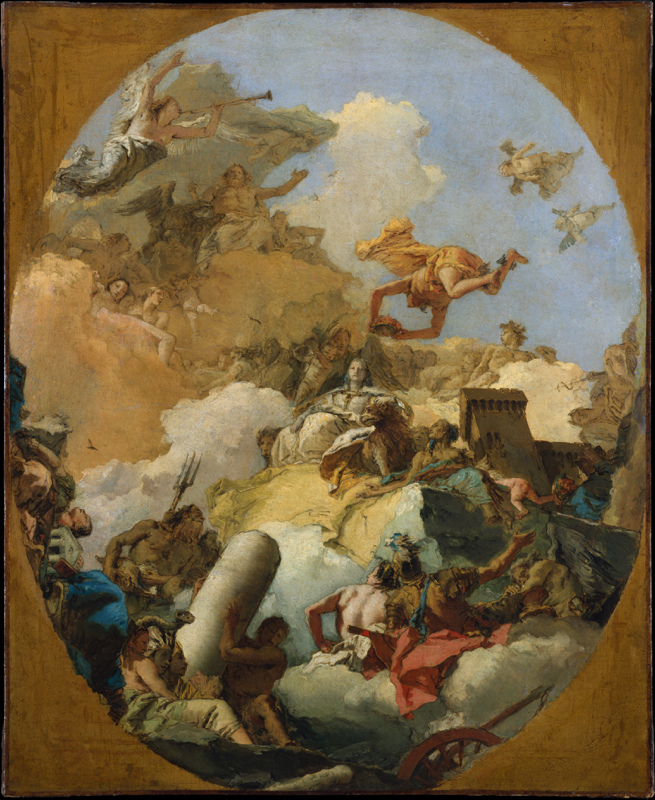
Instead of tenebrist effects massing dark lourds, he used the space of the ceiling itself as a luminous sky, filled with figures who seem to glide rather than walk across cloudscapes and gliding seas, floating far beyond the confines of built architecture. Ceiling frescoes dissolved ceilings into open skies full of saints, gods, allegories, muses and triumphal gods, echoed in long diagonals that led the viewer‘s gaze skyward.
What made Tiepolo a great master was the grace with which he achieved such scale, never allowing the work to become plastic or oppressive, but gleaming softly like pastel, colored paint that made the fast, moving, dramatic figures and crowds appear weightless. He collaborated on quadratura with architectural painters like Guardi or Pannini, making built elements disappear inside painted spaces, so faraway perspectives vanish into the illusion, and architecture and landscape become indistinguishable from each other.
Despite the number of his great commissions all over Italy, Germany and Spain, he remained an elegant master, with milkiness of effect contrasting with flamboyant deformation or garish coloring, a painter who, giving his figures long, elegant limbs and his works high, dramatic scales, finished by extremely fluid brushwork and a mastery of visual narrative that were much more apropos for an impoverished century than the glories of the papal basilicas from the early Baroque.
In sum, he was the artist that fused architectural space with pictorial space in such grand, harmonious weaves that the ceilings seem to fly free of their gardens, palaces and churches while the blind and aristocratic elite of Europe still prayed for their continued dominance through spectacular art.
Materials and craftsmanship in the rococo interior design style
The material of the Rococo interior defined its touch. To replace the weight of stone articulation, wood instead was made into panelling painted in subtle greens, baby blues or textured ivorys. Gold would be added, with less exuberance and more finesse.
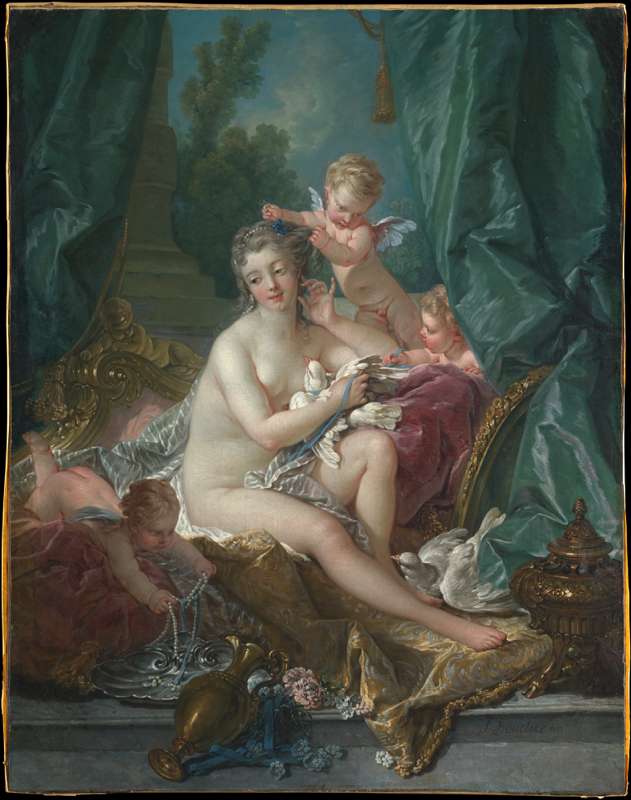
Indeed, with the application of stucco decoration, delicate designs could be carved directly on to ceilings and wall surfaces. Mirror were not mere reflective surfaces, but were incorporated into the design to reflect greater light and enlarge the space. Equally, porcelain objects, such as those produced by Meissen and Sevres, reaffirmed the pursuit of refinement.
The furniture reflected the architecture within. Cabriole legs, curved backs, and soft to the touch upholstery created an environment desirable to settle into. Nothing felt intimidating. The total one was seamless. Walls, furniture and decorative arts belonged to one visual dialogue.
| Material | Function in Rococo interior |
|---|---|
| Painted boiserie | Lightened architectural weight |
| Gilded stucco | Emphasized ornament edges |
| Mirrors | Expanded luminosity |
| Silk wall coverings | Enhanced softness |
Symbolism and aesthetic philosophy
On initial inspection, the Rococo seems profusely ornamental. However, its decorative motifs exhibit a philosophical reasoning. The shells, , as the term rococo bears, , were an emblem of naturalness. The foliages embodied a natural development rather than a fashionable grid. The unevenness of the forms impressed the enlightenment quest for nature‘s casual grace.
Rococo style created an interior that played on sensation. Touch, movement and light were placed as highly as visual impressions. They provided a physical experience for the viewer as much as a visual one.
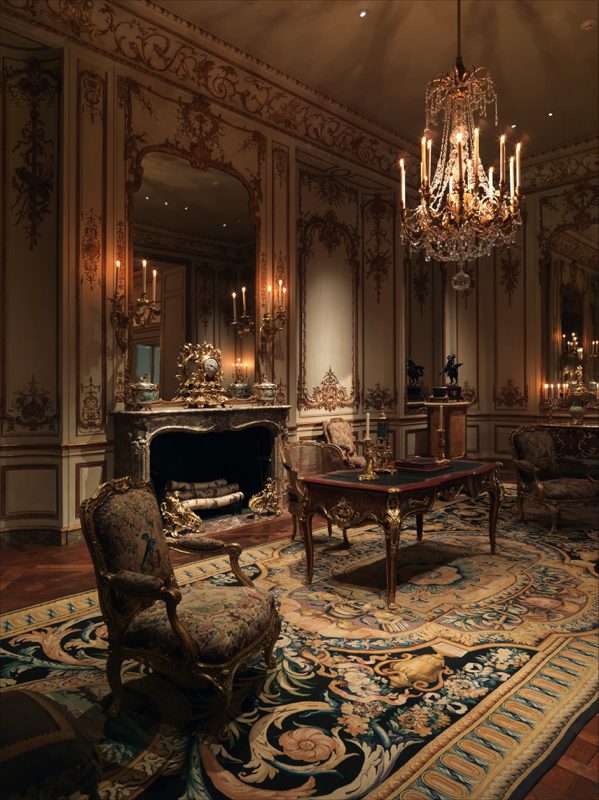
While certainty was sought in the Baroque, the interiors of the Rococo provided scope for interaction. Encouraging the mind to believe that beauty need not imply morality and that the technically elegant need not be, by definition, serious, the style‘s tendency towards sophistication is played out by, Hotel de Soubise in Paris. Chambre de la Princesse, in the Hotel de Soubise, designed by Germain Boffrand for the Princess de Soubise.
Or the Amalienburg Pavilion in Munich, used of course to create incredible lightness with its mirrored surfaces and pastel, colored stuccos.
Wurzburg Residence staircase and the Kaisersaal, combining the Tiepolo frescoes on the painted ceilings with the curving architecture.
These areas prove that rococo design was not disorderly. It followed proportional systems even if the design was uninhibited.
Hôtel de Soubise
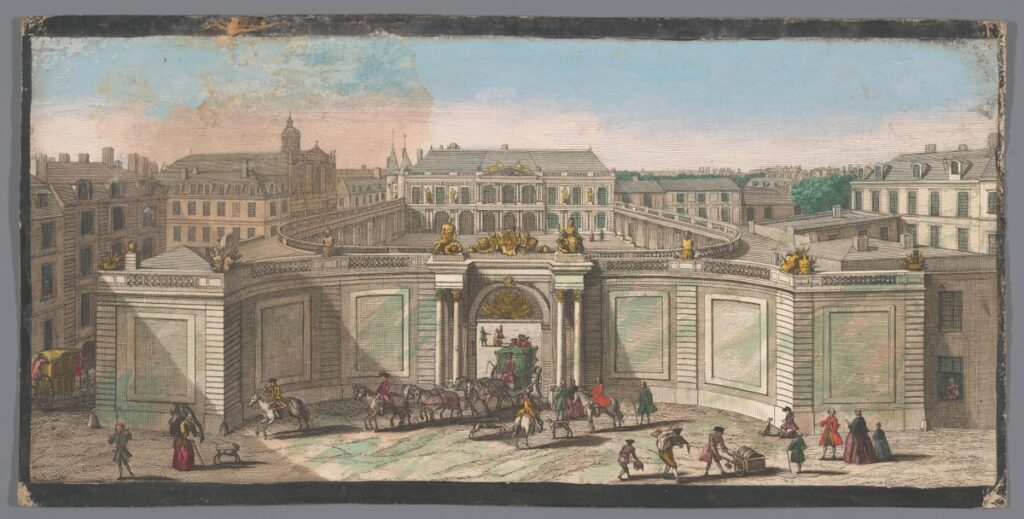
Paris’ Hotel de Soubise: one of the most superb examples of French Rococo interiors by transforming the aristocratic home into an intimate auditorium of relaxed knowledge, motion and cultivated sociability. Through its reconstructions in the first half of the century, the hôtel particulier married the front classical, remotely, dignified European civic seat with a volumetrically idiomatic and loggia, based layout and a lively, idiosyncratic interior, full of irregular, extensive oval salons in which architecture, painting, sculpture and decorative arts resolved into one idyllic and continuous ornamental universe.
More:
Original public domain image from The Rijksmuseum
In the Salon de la Princesse, one of the most brilliant examples of that pastiche, the complex is decoratively electrified: gilded boiseries go sinuously over the whole space, mirrors reconstruct the voluminous sunlight of the loggia windows, and the towering ceiling frescos, looted from Italy and painted by all the master artists of the time, fill the room with one large illusion of airy volumes much lighter than anything even the very widest hulls. These are not libraries of action, like the camera obscural halls of Versailles, but areas of welcoming and intellectual activity; they are sufficiently intimate for lovers of images or lovers of each other, young and old, of art or Europe, to praise and pontificate in.
The markers are asymmetrical, curvilinear shapes that seem to grow wild across a wall and dissolve the delineations between ceiling and architecture; mock, scenic panels, the type that shown romantic loved ones, invoke a universe of mythypoetic growth around the initiates of Parisian love. In these interiors are not only the ceiling paintings, intricate boiseries and lace trimmings that can inspire admirer‘s lungs and eyes and the cheeks of his/her loves, but also an architectural agenda that values taste and sophistication, replacing the old thesis of dominance with that of desire.
Amalienburg
The Amalienburg is among the loveliest showcases of the Bavarian Rococo, a hunting lodge, elaborately turned fantasy of light, reflection and decorative finesse set within the Nymphenburg Palace park. Set with the help of the Frenchman Francois de Cuvillies, the pavilion was commissioned in the 1730s by Electress Maria Amalia, and while it makes no apologies for its small size with a nondescript, unassuming bastionsque façade, on the inside it is a celebration of richly detailed decoration.
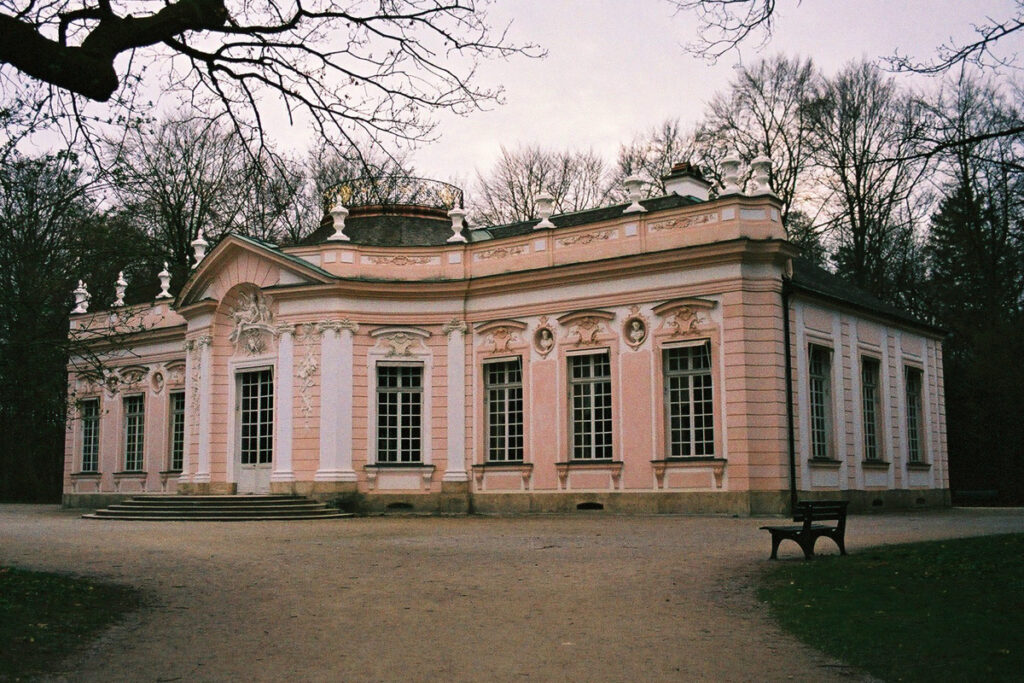
The most spectacular element is easily the Hall of Mirrors, with its foaming painterly slush of silvery, blue stucco reliefs across its interiors, its gouged gilded carving that is thickly lined around the windows and doors, and its shimmering, flickering candles reflected by the innumerable glass surfaces, which has the effect of dissolving the interior volume into a surreal non, order, and a lightness that seems to float. Much of the ornament is asymmetrical and uncontrolled, even naive, yet well, orchestrated, and has the effect of growing straight out of the plastered wall surface.
While the U, shape of the Amalienburg is a pitiful pale shadow of a Louis XIV court entrance hall that was meant to dazzle the foreign ambassadors, its useful function was and still is private, comfortable social assembly, dining, and hunting, and the scale of its space bolsters intimacy rather than awe. It presents surfaces not as what they seem to be but as what they are (an Eastlake bookcase, marble floor, reflective surface, canvas surface, grandly, draped window), and architecture becomes sculpture becomes décor, and all three become a single entity of the swirling motion of reflection and flickering candle, flame. Here “pleasure” meant describing everything as though it were a masterpiece; the cocktail hour became a gallery from which they enjoyed contemplating its masterpieces.
Collector mistakes and modern misinterpretations
A common misconception equates Rococo with wallpaper so it is no surprise that modern versions that do justice to the style tend to be far more frilly and vulgar than original interiors. True Rococo maximises decoration without sacrificing a clear sense of space.
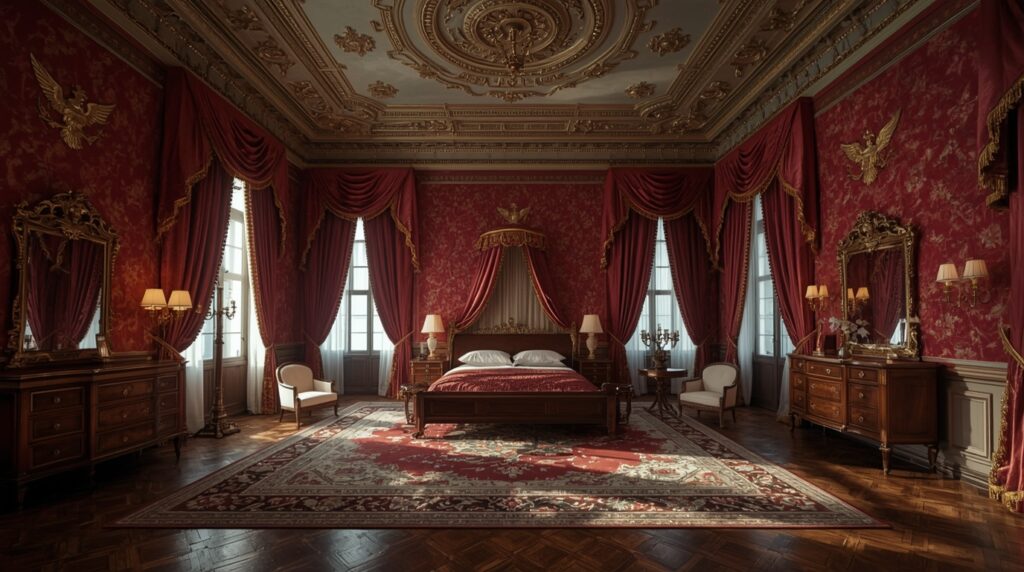
Another error is neglecting scale. Rococo interiors were, by and large, intimate; requiring the light and airy composition of a huge space to be broken down and visually brought inwards. These ‘actual scales’ were so often under, provided for in interiors restoration that the room will not acquire the right balance.
One must understand proportion to work with it. To reinstate the medium one must hack out delicacy. Painted woodwork should be treated with genuine tonal stresses, rather than flat, freshly solid colours. Stucco should be patched with corresponding curvature, rather than matt, dead surface. Glazing should be preserved with inherent patination.
Soft lighting. Soft lighting replicates atmosphere better than a bright light from the ceiling. The intention is to rekindle flow, not power wash it.
Market analysis and contemporary revival
The decadence of the rococo interior design style has made it popular with contemporary collectors who are searching for intimacy as opposed to the austerity seen in more minimal designs. Popularity remains for authentic antique Rococv, in particular pieces with provenience to eighteenth century France or Bavaria.
Contemporary designers modulate the Rococo design elements into attenuated forms, , curvilinear sofas, serpentine wall moldings, plush fabrics with tuffed textures. This revival corresponds to a cultural seeking of comfort and personality in modern interiors. When the elements are mainly compatible, the room is genuine rococo.
| Indicator | Presence in Rococo style |
|---|---|
| Asymmetrical ornament | Yes |
| Pastel color palette | Yes |
| Curved furniture lines | Yes |
| Integrated mirrors | Often |
| Monumental scale | Rare |
Rococo principles
Rococo involved principles of intimacy, movement, asymmetry and decay, the romanticizing of architecture as a silent setting for elegant social intercourse, without hard authority.
Discriminating collectors called for a break with the hegemony of monumental space, a freer, more expressive design for 18th century French salons; such spaces are easy and loose. In such arrangements, borders and corners are rounded off, walls roll into semi, circular salons, ornament is smoothly flowing, soft outlines of scallops, fleurons, swirls and fragile arabesques.
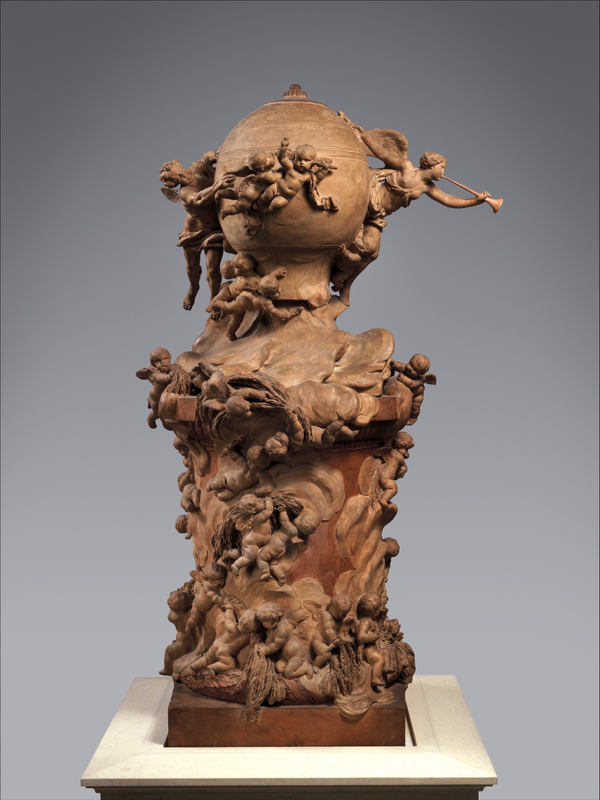
Luminance proliferates, ‘Pale washed out schemes’ of pink, carnation, yellows and greens call upon the natural glow of sunlight, doubled and reflected by a mirror; the idealized hierarchy of Christian ages quickly surrenders itself to that of culture, luxury and leisure, with mirrors and corridors, ear, shaped salons for music, conversation, thought and relaxation.
\Ornament, a living symbiote of component parts; boiserie, marvellous stuccobousings, brightly colored arched panels, shining gilding; architecture, the furnitures and the ornament form a unity.
Self, sufficiency and stability are flawless, even though the by, sense of everything is haphazard, everything luxurious, all repeated; naturalistic casts appear with divine spontaneity and imply a free flow. Such spontaneous architecture conceals a pure, logical theory, of lightheartedness, taste and refined loveliness, with animated caprice.
Conclusion
The rococo style of interior design was short, lived but important phenomenon in the grand scheme of European design history. It was transient and lively, democratized architecture, made ornament more intimate and refined the quest for pleasure. It was more restrained and luxurious, a less showy alternative to the grand Baroque.
And it is still far from dead (or dying); it just lives in the rooms where plump, relaxing and flirtatiously delicate rule. I believe the Rococo is more than decorating, that it can serve as a celebration of the fact that grace does not always require seriousness and the room can be sensuous without being frightening.
AI Notice: Some visual content in this article may have been created or enhanced using artificial intelligence (AI) for artistic, editorial or illustrative purposes. Learn more about our approach in our AI & Editorial Principles.