
Retro Mother of the Bride Dresses: Timeless Elegance with a Story
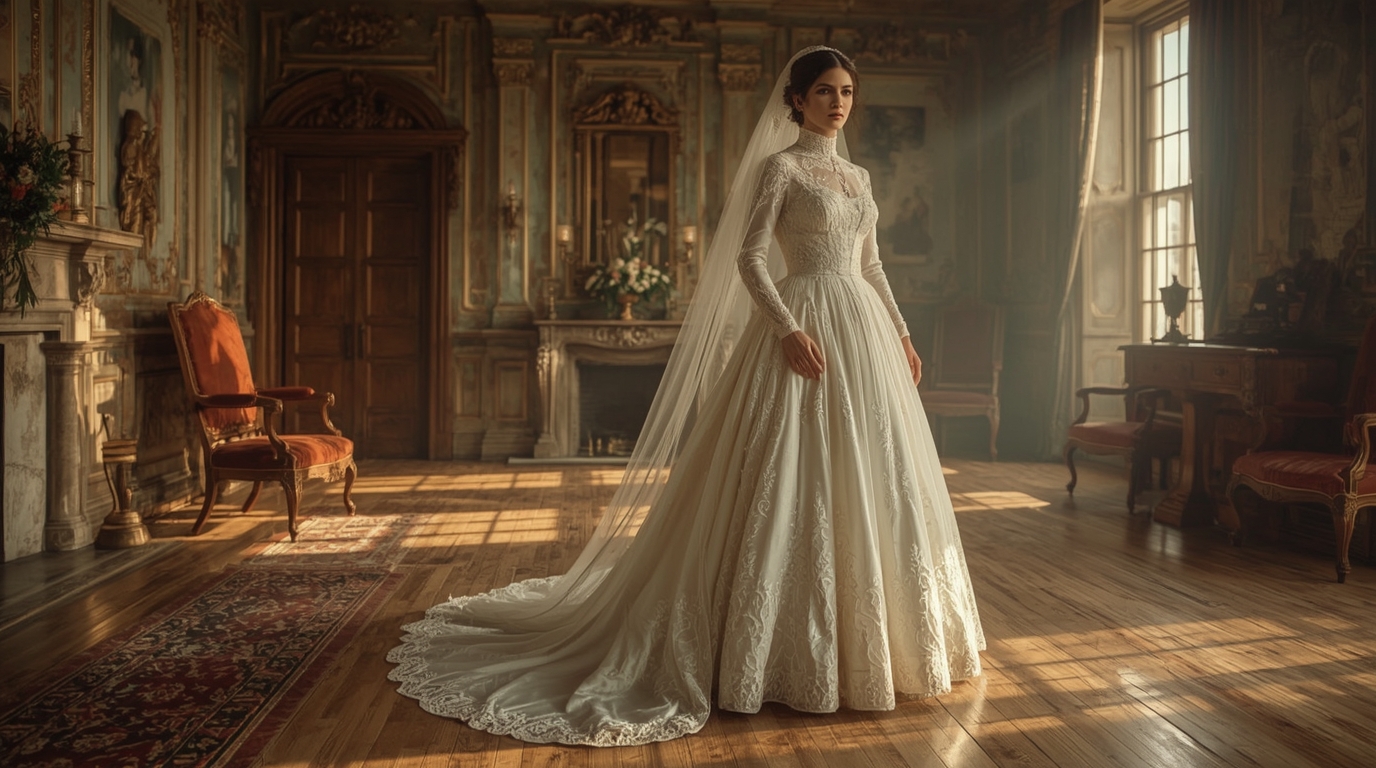
A mother of the bride dress should do more than “fit the dress code.” It should photograph beautifully, feel confident for hours, and—ideally—carry a sense of meaning. That’s why retro mother of the bride dresses have become a modern favorite: they borrow the most flattering silhouettes and luxurious details from fashion history, then translate them into garments that feel personal rather than generic. When chosen thoughtfully, a retro-inspired look reads as sophisticated and intentional—never costume—because it’s grounded in proven design principles from real eras, real ateliers, and real museum collections.
What “Retro” Really Means in Mother-of-the-Bride Style
Retro styling isn’t simply “old-fashioned.” In fashion terms, it typically means a contemporary dress that references a past era’s silhouette, fabric, or detailing—for example, a 1950s fit-and-flare shape made in modern silk mikado, or a 1930s bias-cut gown rendered with today’s superior linings and structure. This approach gives you the romance of history with comfort and tailoring suited to modern weddings.
Can You Name the Masterpiece?
Ten masterpieces. Ten questions. How well do you know the history of art?
Museums can shed a light on what made those periods special. V&A or the Costume Institute of the Metropolitan Museum of Art have on display garments in which you see the way a structured construction made of line and drape (mid-century corset and BODICES, 1930‘sbias-cut dresses…) are the ones defining the era. There‘s only one thing these museums can teach you: style can have nothing to do with Fashion.
The appeal of wearing retro is in how it ties you to a tradition, too. Whether it‘s the flapper frenzy of 1920s jazz age New York and Paris; the wartime make-do-and-mend style of 1940s Britain; or the demure, glamorous couture of 1950s Paris, each era conjured up a particular style of formal womanhood. With careful reference to it, a mother of the bride can tailor her outfit to her venue and the nature of the wedding, from a black-tie ballroom to a garden wedding.
Era-by-Era Guide to Retro Mother of the Bride Dresses
The 1930s are the gold standard for understated glamour: think long, liquid lines and the famous bias cut, which drapes close to the body without clinging. Many modern MOB gowns echo this with softly shaped waists, cowl necklines, and sleeves that skim the arm. The result is elegant and elongating—especially effective in satin, crepe, or silk charmeuse—without heavy embellishment.
Can You Guess the Artist?
Three clues. One artist. How quickly can you identify the painter?
The 1950s offer the most universally flattering “occasionwear” geometry: a defined waist and a fuller skirt, or a sculpted sheath with a structured bodice. Christian Dior’s postwar “New Look” is often cited as a key influence on this period’s silhouette; the historical point is the engineering—underpinnings, seaming, and fabric choice—to create a poised hourglass line. In modern MOB dresses, you’ll see this translated into tea-length or midi options, bateau necklines, and three-quarter sleeves that feel formal yet practical.
The 1960s and 1970s bring cleaner lines or bohemian softness. A 1960s shift or A-line can read beautifully for a city wedding, especially in luxurious jacquard or heavy crepe, while 1970s-inspired gowns often feature flutter sleeves, soft gathers, and fluid chiffon—ideal for outdoor venues. The key is restraint: keep a single strong era cue (silhouette or print or sleeve) so the look feels refined rather than themed.
Key Characteristics of Retro MOB Dresses (and Why They Flatter)
Retro-inspired dresses tend to prioritize line, proportion, and fabric behavior—the same principles that made historical garments look commanding in portraits and newsreels. A well-placed waist seam, princess seaming, or bias drape guides the eye and creates shape even before you add embellishment. This is why retro silhouettes often look “expensive” in photos: they’re built around structure and intent.
And this is why the trims matter. The satin covered buttons, the micro beaded trimmings, the appliqué lace, the sweetheart necklines, the capelets all arose from a tradition we can trace in the V&A and Met archives, for instance. It has been a marker of formality, social status and the mastery of dressmakers working with trimmings, hand-stitching, lining and fastenings.
Color is key as well! you don‘t have to go strictly beige or navy of a bygone decade. Indeed, a lot of the decades that birthed the retro influences here had an affinity for softer tones champagne, dove grey, ice blue, sage, rose and more saturated, jeweled tones. The most successful retro M. O. B dresses work with the wedding colors while also playing to mom‘s skin tone and event location (especially when it comes to late afternoon light for photos with flash).
Summary Table: Retro Eras at a Glance
| Era reference | Signature silhouette | Common fabrics | Best for | Key styling cue |
|---|---|---|---|---|
| 1930s | Bias-cut, long and fluid | Satin, crepe, silk charmeuse | Black-tie, evening weddings | Cowl neck, draped back, minimal sparkle |
| 1940s | Strong shoulders, defined waist | Wool crepe, rayon blends, matte crepe | Formal daytime, classic venues | Structured bodice, sleeves, clean tailoring |
| 1950s | Fit-and-flare or sculpted sheath | Taffeta, mikado, lace | Church, ballroom, traditional weddings | Tea-length, bateau neckline, gloves optional |
| 1960s | A-line, shift | Heavy crepe, jacquard, satin | Modern venues, city weddings | Graphic simplicity, short jacket |
| 1970s | Soft, romantic, flowing | Chiffon, georgette | Garden, destination weddings | Flutter sleeves, gentle gathers |
How to Choose the Right Retro Look (Without Looking Costume)
Start with venue and dress code, then select one era that complements them. A 1930s-inspired gown fits a candlelit hotel ballroom; a 1950s tea-length dress suits a church ceremony and reception; a 1970s chiffon gown feels right for a vineyard in Tuscany or a coastal setting. Retro works best when the reference supports the setting rather than competing with it.
Then, look for fit and construction. These are key to a convincing modern retro mother of the bride dress; it‘s the darts, the boning (where used), and the way the dress hangs on the body. The Metropolitan Museum of Art, in writings on dress history, has emphasized that fashion is both about adornment and about construction. What that means in real life: Make sure your fabric has some structure and get it tailored so that it fits you perfectly at the waist, bust, and hem.
And last, restrict the accessories. Have the dress signal the time capsule, then give it a contemporary gloss: a heel height that you can comfortably walk in, a tailored clutch, and the kind of jewelry that references (not replicates) the era: pearl drops for 50s nods, a sharp cuff for 60s understatement. As the Smithsonian Institution never fails to reiterate when teaching you about objects, context is everything. For styling, context is also everything it is what prevents it from becoming costume.
Authoritative Perspective: What Museums and Fashion History Teach
Museum collections show that “retro elegance” is not nostalgia—it’s design literacy. The Victoria and Albert Museum, home to one of the world’s most significant fashion and textile collections, documents how silhouettes evolve with technology (like new synthetic fibers) and social change (like wartime restrictions). This is why a 1940s-inspired dress often looks clean and efficient, while a 1950s look returns to fullness and overt femininity.
The Louvre Museum is not a fashion museum in the same way as the Met or V&A, but its holdings in decorative arts and historic European craftsmanship help explain the broader aesthetic environment—ornament, proportion, and luxury materials—that influenced elite dressmaking culture, especially in France. When you choose a brocade, an embellished sleeve, or a refined metallic thread, you’re tapping into a long European tradition of formal dress and textile artistry.
Two useful guiding statements, often echoed in fashion scholarship, apply directly to mother-of-the-bride dressing:
- “Fashion is a form of visual language.” Museum interpretation—from institutions like the Met and Smithsonian—consistently frames dress as communication about identity, role, and occasion.
- “Good design outlasts trends.” This principle is visible across preserved garments: when cut and proportion are right, a dress remains compelling long after the decade passes.
Frequently Asked Questions
1) What is the most flattering retro era for mothers of the bride?
The 1950s (structured bodice, defined waist, balanced skirt) flatters many body types, while the 1930s bias cut is ideal if you want an elongated, fluid line. The best choice depends on whether you prefer structure (1950s/1940s) or drape (1930s/1970s).
2) Can I wear a retro dress to a modern, minimalist wedding?
Yes—choose a 1960s-inspired A-line or shift in a solid color with impeccable tailoring. Keep accessories clean and contemporary so the reference reads as refined, not themed.
3) Are retro mother of the bride dresses appropriate for black-tie weddings?
Absolutely. Look to 1930s-inspired floor-length gowns in satin or crepe, or a 1950s-influenced formal silhouette with elevated fabric (silk mikado, lace, or fine beading).
4) How do I avoid looking like I’m wearing a costume?
Use one primary retro cue (silhouette or neckline or sleeve), choose modern fabrication and finishing, and tailor the fit. Avoid stacking too many era-specific items at once (hat + gloves + heavy jewelry + ultra-vintage hair).
5) What colors work best for a retro-inspired MOB dress?
Classic neutrals photograph well (navy, charcoal, champagne), but retro palettes also shine in dusty rose, sage, deep emerald, and burgundy. Coordinate with the wedding palette and lighting; matte crepe reads differently than glossy satin.
Retro mother of the bride dresses endure because they’re built on the strongest lessons fashion history offers: proportion, craftsmanship, and clarity of silhouette. By choosing a specific era reference, investing in fit, and styling with restraint, you can achieve a look that feels both timeless and unmistakably yours—an outfit worthy of the photos, the setting, and the significance of the day.
Sources referenced: The Metropolitan Museum of Art (Costume Institute), the Victoria and Albert Museum (Fashion & Textiles), the Smithsonian Institution (dress and material culture resources), and the Louvre Museum (decorative arts and historical craftsmanship context).
AI Notice: Some visual content in this article may have been created or enhanced using artificial intelligence (AI) for artistic, editorial or illustrative purposes. Learn more about our approach in our AI & Editorial Principles.